| Evil Remover | |
Suzhou
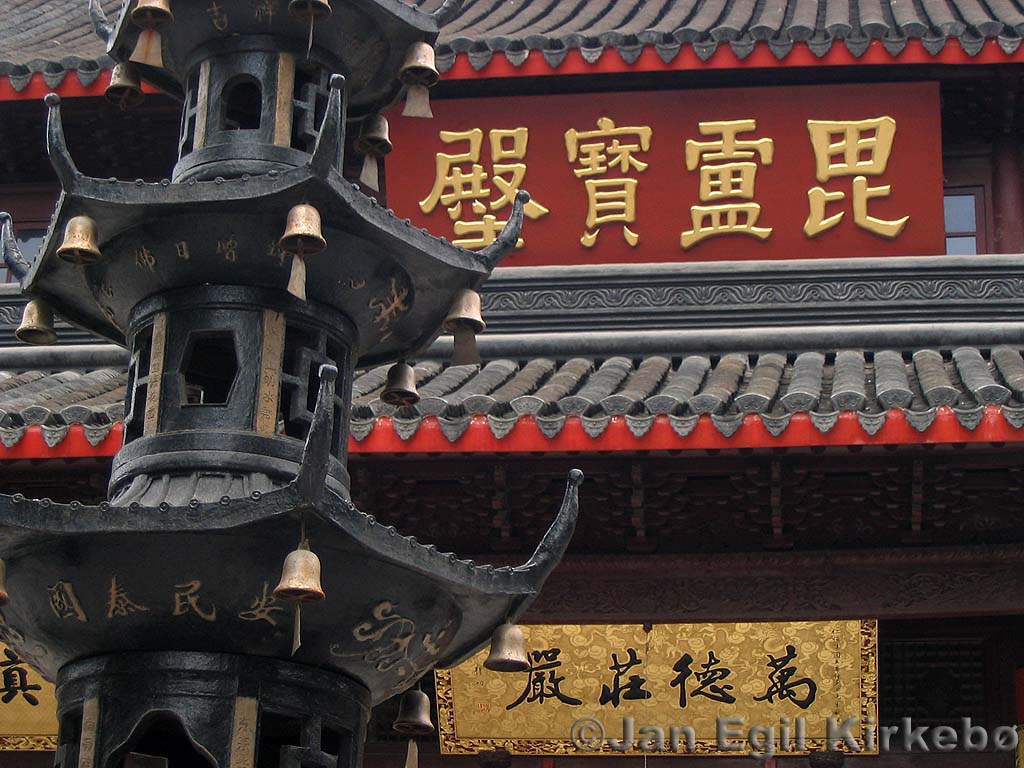
The Buddha at the North Temple Pagoda in Suzhou does not have a big stomach because of his appetite, but because he's swallowing all the evil of the world (or so they say).
|
|
| Qixia Temple | |
Nanjing
Qixia Temple is an excellent day-trip from Nanjing. Besides the magnificent temple and gardens don't miss the hundreds of Buddhas carved into the mountain just behind.
|
|
| Dim Sum | |
And then some...
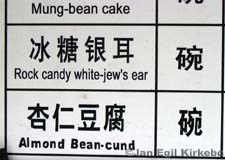
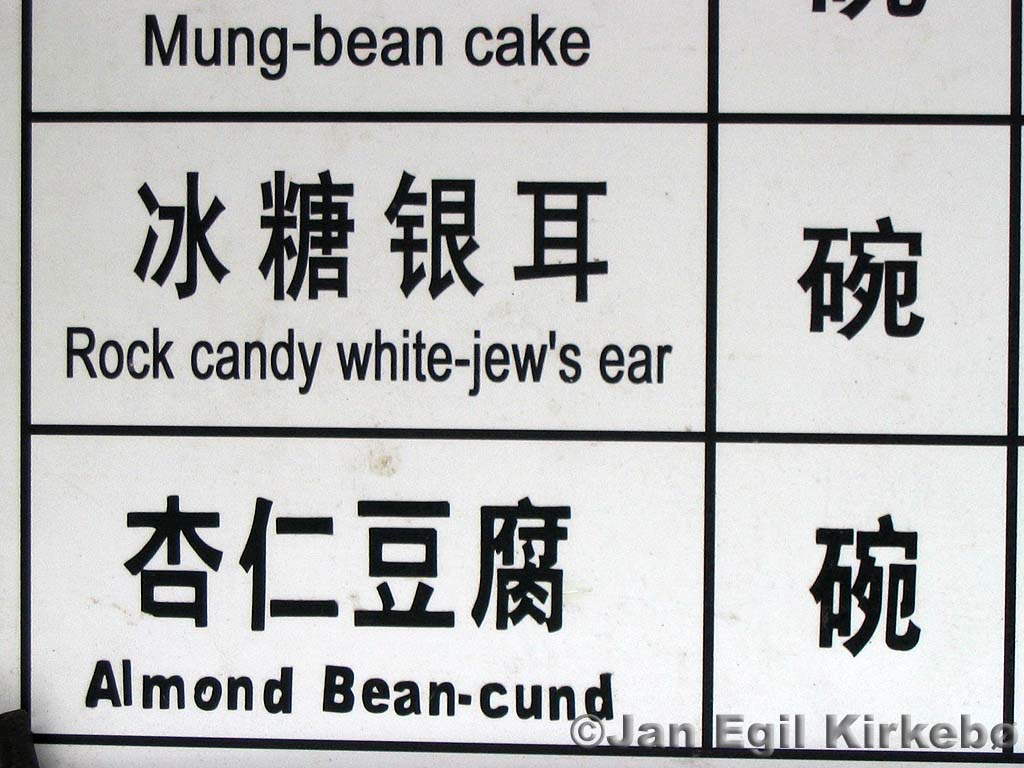
Knowing a few Chinese characters will generally take you a long way in knowing what food you've ordered. English translations can't always to be trusted.
|
|
|
|
China: Trading Up
China has gone through huge changes over the last 30 years. Since the death of Mao Zedong in 1976 the People's Republic of China has gone from being an economical failure to becoming a heavily industrialized and capitalist society. Though, a majority of the 1.3 billion inhabitants still live in rural poverty. Until the mid-1980s China was a closed country, with rare visits from foreigners. Now it is rapidly becoming one of the world's biggest tourist destination. |
 |
 |
Beijing: Forbidden City
The Forbidden City in Beijing is one of the most impressive monuments in the world. From within its walls China was ruled for 500 years until the end of the Qing Dynasty in 1912. The Forbidden City (called Gu Gong in Chinese) consists of 9999 rooms and covers 720,000 square meters, making it the largest palace complex in the world. It lies at the northern end of Tiananmen Square. To many it is known through the 1987 movie The Last Emperor. |
Pudong: Power Zone
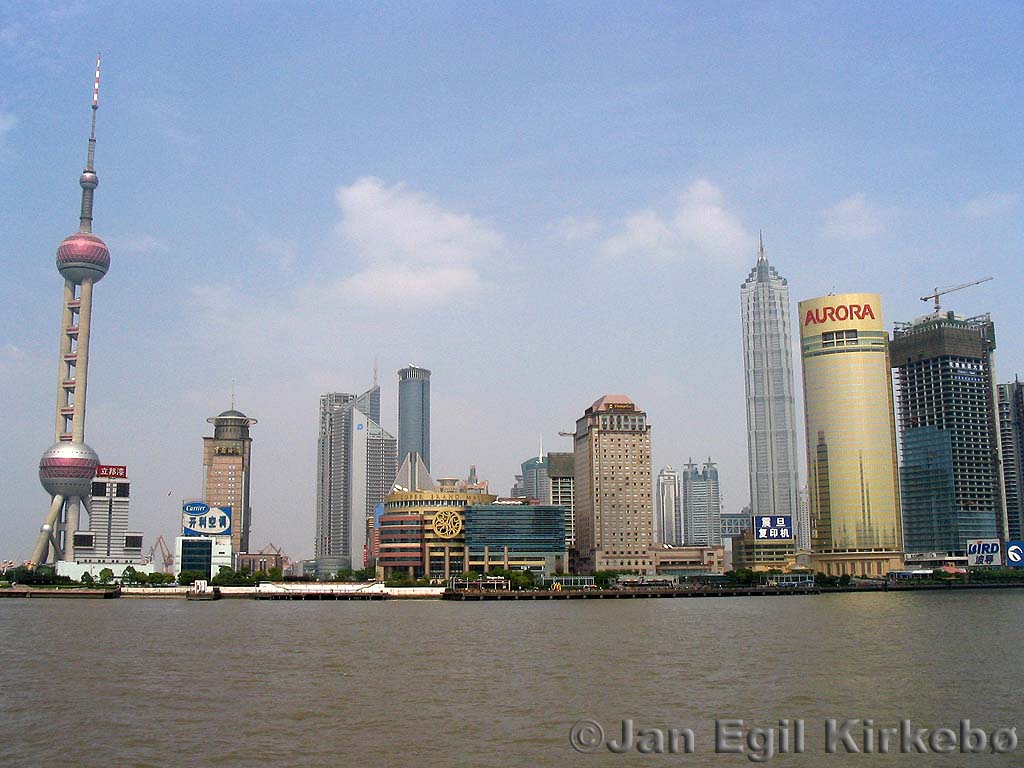
Across the Huangpu River from Shanghai is the Special Economic Zone of Pudong. With its impressive skyline it is hard to believe it was all just farmland 25 years ago. Nowadays the district of Pudong has a gross national product which is greater than that of many countries. Pudong is going head-first into the future, and nothing illustrates this more than the magnetic levitation (Maglev) train which takes you from the city to Pudong Airport at 450 km/h (!). When there's not too much smog the view from the 88 story Jin Mao building is excellent. |
 |
 |
 |
China: Train Stations
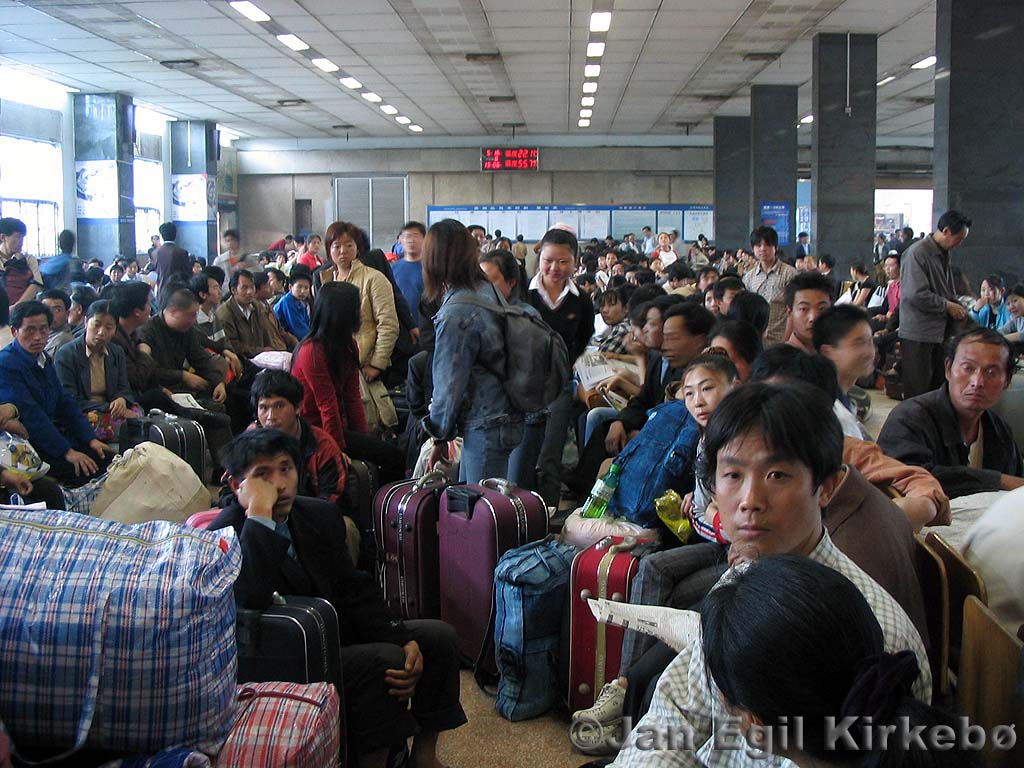
China's railway system is responsible for 10 billion journeys every year! Seeing the major train stations of China is an experience in itself. The orderly chaos of thousands of people on the move can not be described with words. |
Shanghai: The Bund
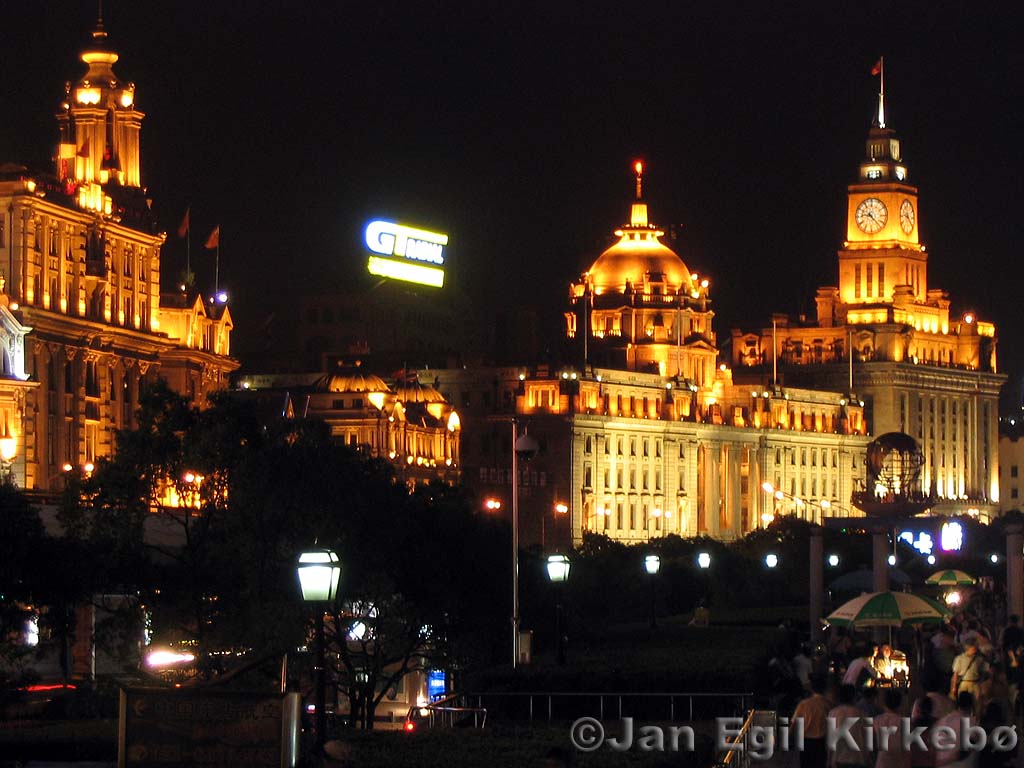
The Bund is Shanghai's most recognizable landmark. It's a 1.5 km stretch of Zhongshan Road which runs along the Huangpu River. The buildings are remnants of the colonial powers present in Shanghai at the turn of the 20th century, and cover a wide range of architectural styles (Baroque, Classicism, Gothic, Romanesque and Renaissance). A hundred years ago it was a major financial center of East Asia, and it has once again returned to this role. There's a nice aerial view of the Bund from the Oriental Pearl TV Tower in Pudong. |
 |
 |
 |
 |
China: Mixed Life
Some cut-outs of life in China (from left to right):
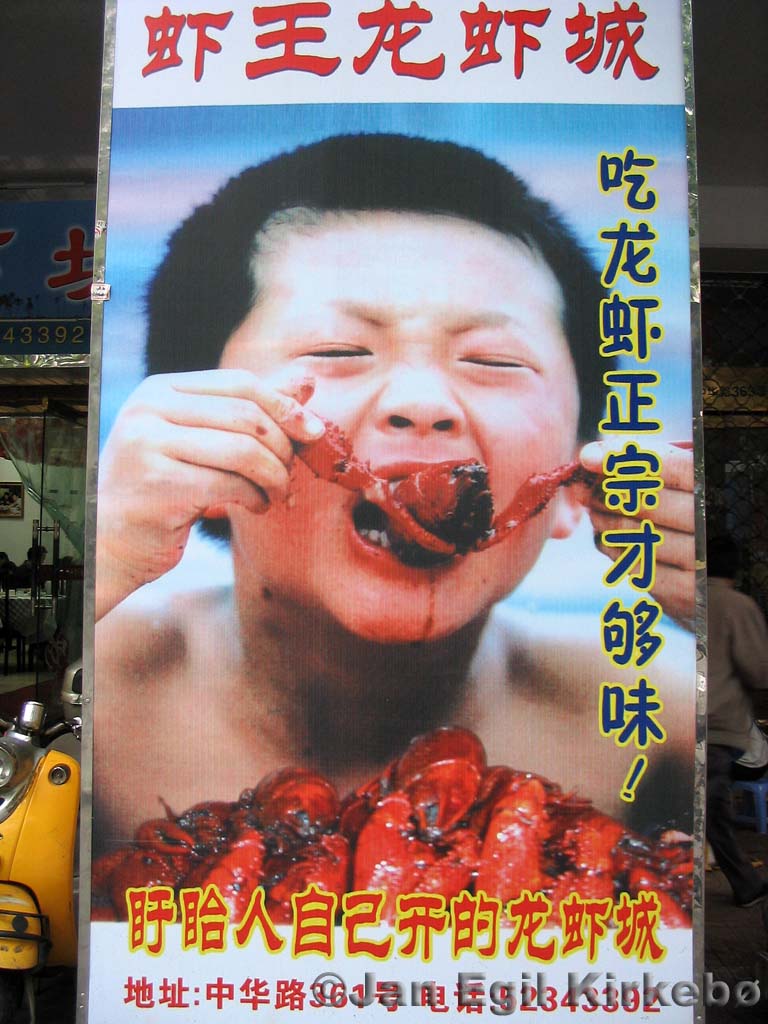
-What gets some going might deter others. There's more than one way to promote lobster!
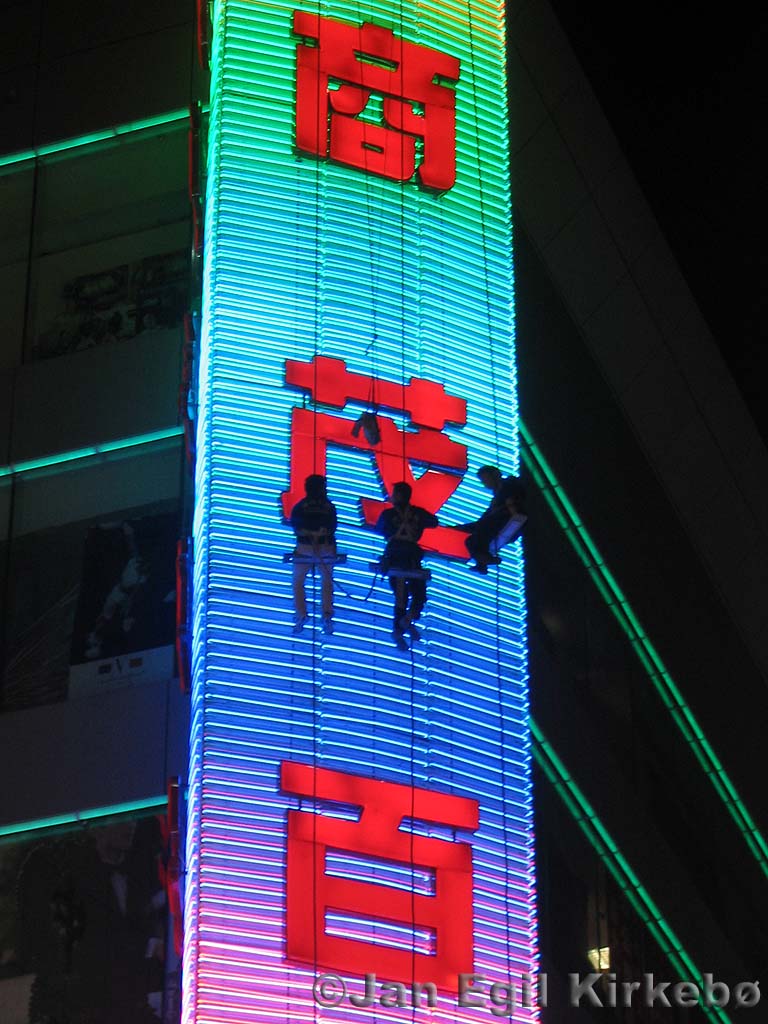
-Looking at the neon-flooded cities of China it is hard to see where communism ends and capitalism begins.
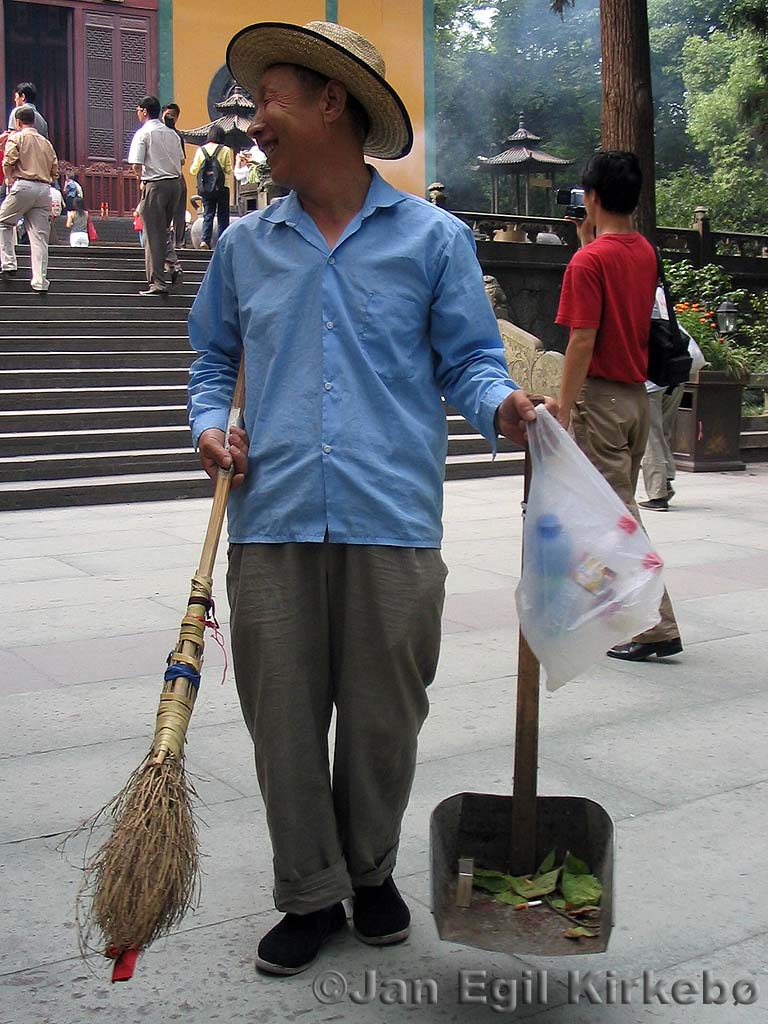
-Helper at Lingyin Temple in Hangzhou. The temple is one of the largest Buddhist temples in China. |
|
|
| Hutongs | |
Beijing
The old-time neighborhoods of Beijing, made up of narrow alleys called hutongs, are rapidly disappearing under the expanding economy. The best way to see the hutongs are on a (rented) bike.
|
|
| Facts | |
中華人民共和國
Zhōnghuá Rénmín Gònghéguó

Capital
Beijing
Largest city
Shanghai
Population
1,314,000,000 (2006)
Area
9,596,960 km²
Official language(s)
Mandarin
Government
Socialist republic
|
|
| History | |
China
•221 BC: First unified Chinese state established under Qin Dynasty.
•7th-14th century: One of the most advanced civilizations in the world with respect to technology, culture and art.
•1912: End of imperial rule, Republic of China established.
•1949: Communists win civil war. People's Republic of China (PRC) established.
|
|
|









 -->
-->