| Kitchen-Peep | |
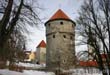
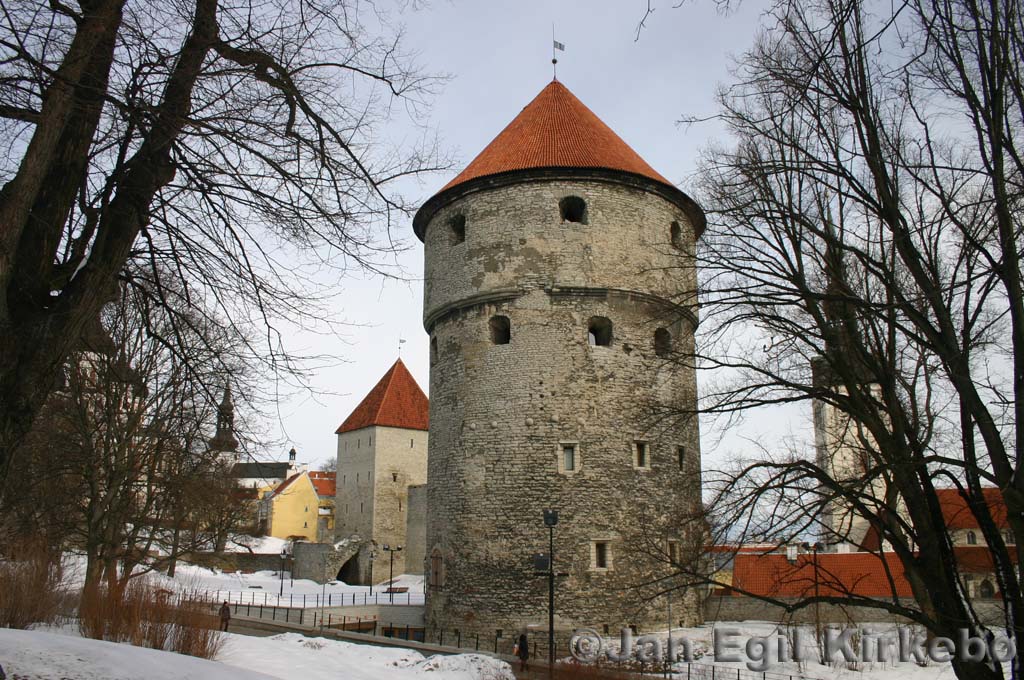
Tallinn
Kiek in de Kök is an impressive cannon tower located at te Southern end of the Old Town, built around 1475. It's name comes from Low German, and means Peep into the Kitchen.
|
|
| Capital | |
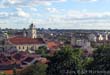
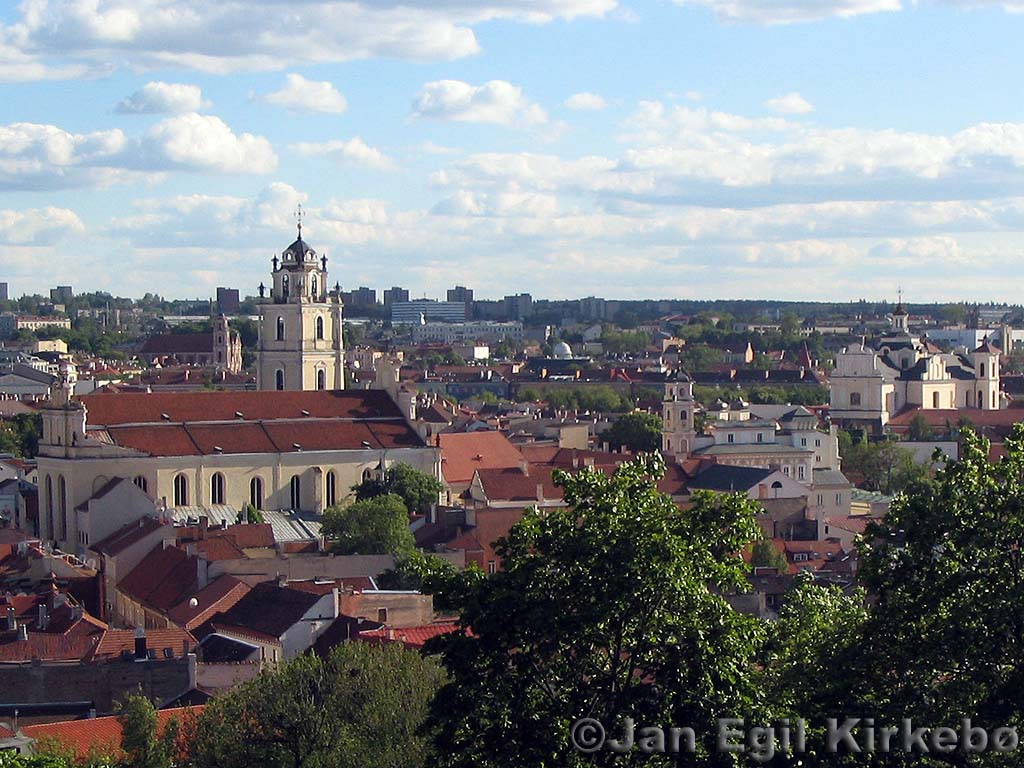
Vilnius
For a nice view of Vilnius head up to the top of Gediminas Hill, which can be reached by funicular.
|
|
| Art Nouveau | |
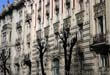
Riga
One of the finest collections of art nouveau (also known as jugendstil) buildings in Europe can be found in Riga. Just head for the area around Elizabetes Street, and the elaborate facades of early 20th century apartment houses appear.
|
|
|
|
Baltic States: Fairytale Countries
For ethnic and historical reasons Estonia, Latvia and Lithuania are often grouped together, even though all have different cultures and languages. After independence from the Soviet Union in 1991 they have experienced a cultural and economic rejuvenation (though the latter with a few hick-ups). For fairyland skylines of medieval fortresses and churches, it's hard to beat any of the capitals of the Baltic States. Historic but modern, peaceful and vibrant at the same time, the region is an often forgotten gem of Europe. |
|
 |
Latvia: Bustling Riga
Situated along the Daugava River, the history of Riga and its position as the capital of Latvia goes back to the 1200s as a former Hanseatic city. Its historical center is a UNESCO World Heritage Site, boasting architecture spanning all ages from medieval to jugendstil. Its old town is one of the most complete in Europe. In later years Riga has also become known for its vibrant nightlife. It's a city which should have something to offer for people of all ages, and being served by the largest airport in the Baltics it's easily reached. |
Vilnius: Cathedral Square
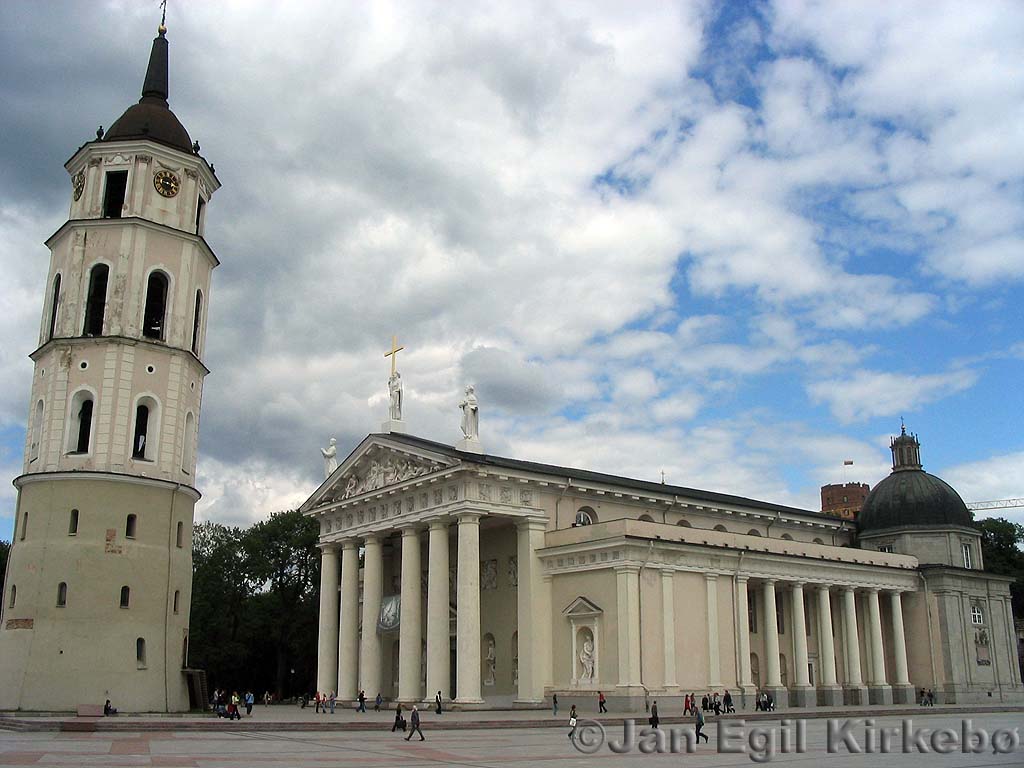
Cathedral Square in Vilnius is perhaps Lithuania's most recognizable sight, with its Vilnius Cathedral and bell tower. It even has a tile stone where you can make a wish! Though the square itself is of newer origin, the cathedral it holds is over 700 years old (though modified many times since). Cathedral Square is the place to go to see young Lithuanians about to get married, to see large national events, or to spend New Year's with thousands of Lithuanians. |
 |
 |
Tallinn: Modern Medieval City
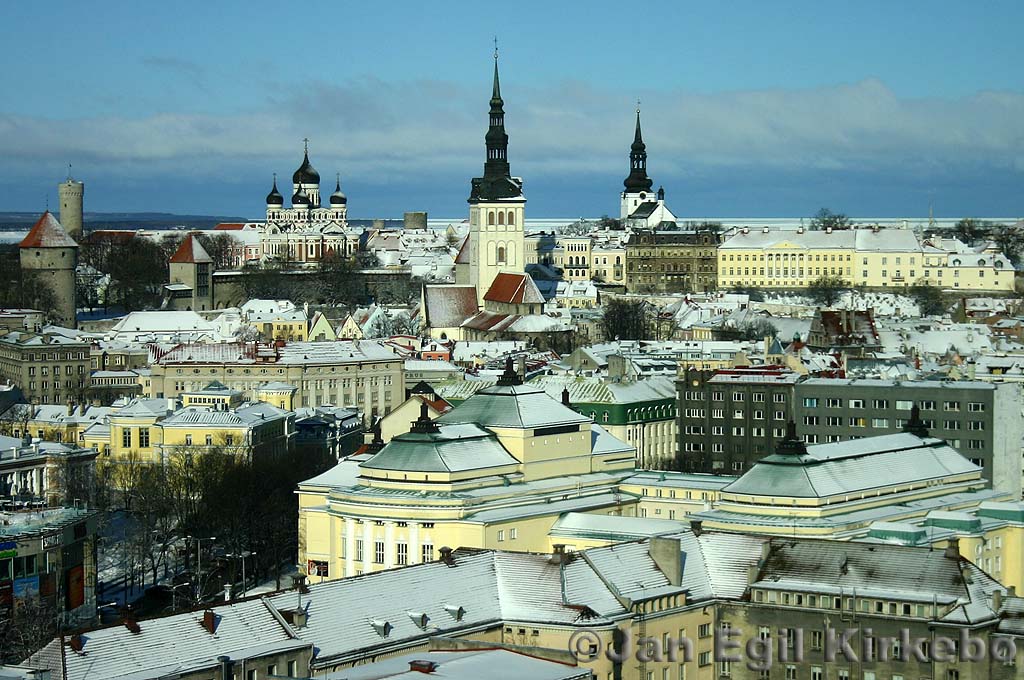
Since Estonia's independence from the Soviet Union in 1991, Tallinn has grown into a vibrant mix of the medieval and the modern. Its Old Town is one of Europe's nicest, with numerous gems literally hiding just around the corner. Tallinn also sports a healthy restaurant, café and nightclub scen. For shoppers, the ancient traditions of glassblowing, weaving and pottery are still very much alive in the city. Tallinn has something to offer for every taste. |
Grütas Park: Stalin World
In the woods near Druskininkai is a park containing many of the long lost statues from the Soviet occupation of the Baltics. The park's name is Grütas, and it contains about 85 bronze and granite statues of Lenin, Stalin, Marx and other favorite communists, placed along a wooden path in the forest. The statues are placed in different spheres, with names such as the totalitarian sphere and the terror sphere. The park is surrounded by barb wire and watch towers, giving the feel of being in a Soviet gulag. Buses go to the park every two hours from Vilnius, 120 kilometers away. |
 |
 |
Tallinn: Town Hall Square
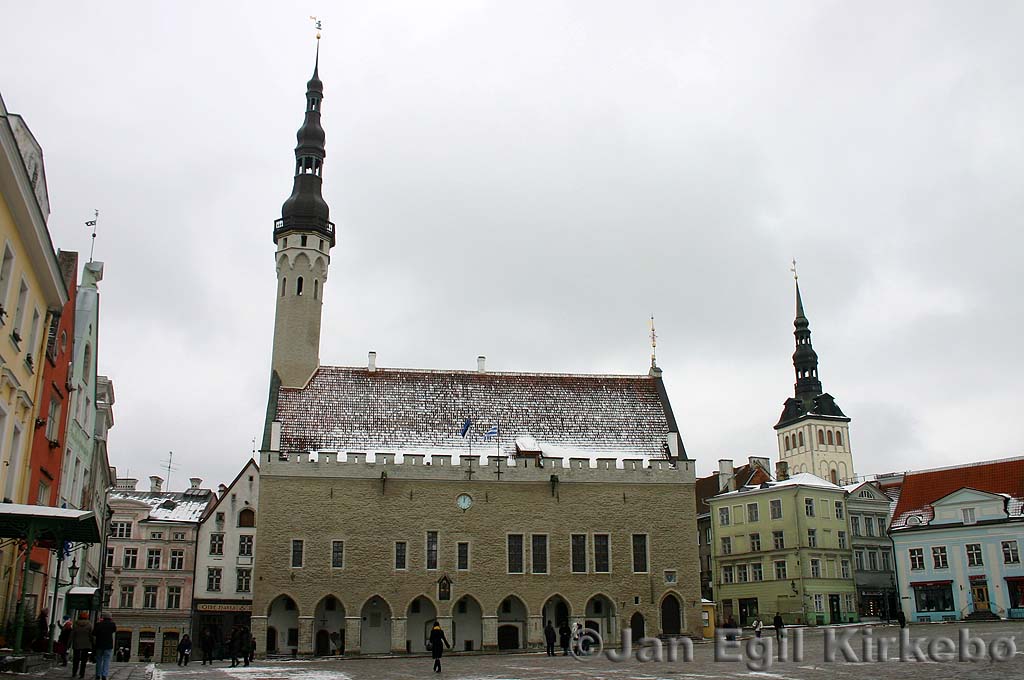
Raekoja plats (Town Hall Square) has been the center of Tallinn since the markets started there in the 11th century. The markets are long gone, and the square is now home to cosy cafés and restaurants, ideal for Tallinn's long summer evenings. On the outh side of the square is the city' town hall, built in it's gothic style between 1371 and 1404. It is said that the minaretlike tower was inspired by an explorer who had returned from a trip to the Orient. |
|
|
| KGB | |
Vilnius
Gediminas Ave. 40 in Vilnius houses the former jail of the KGB, in operation from 1940 until 1991. A visit to the museum is highly recommended.
|
|
| Facts | |
Consists of
Estonia, Latvia, Lithuania
Principal cities
Tallinn, Riga, Vilnius
Population
6,607,000 (2010)
Area
175,015 km²
Official language(s)
Estonian, Latvian, Lithuanian
|
|
| History | |
Baltics
•3000-2000 BC: Region settled by Finno-Ugric hunters from the east and Balts from thesoutheast.
•Late 1200s: Estonia and Latvia conquered by Germanic crusading knights.
•1500s: Lithuania emerges as powerful state.
•1800s: Birth of nationalism.
•Post WWI: Emerged as independent nations.
•WWII: Occupied by Nazi Germany, and then by the Soviet Union.
•1991: Regained independence.
•2004: Joined EU.
|
|
|









 -->
-->