| Akershus Fortress | |
Oslo
Construction on Akershus Fortress was started in the 1290s by King Håkon V Magnusson, though it was modernised and given a Renaissance style by King Christian IV in the 1600s. From the mounds there are nice views of Oslo harbor.
|
|
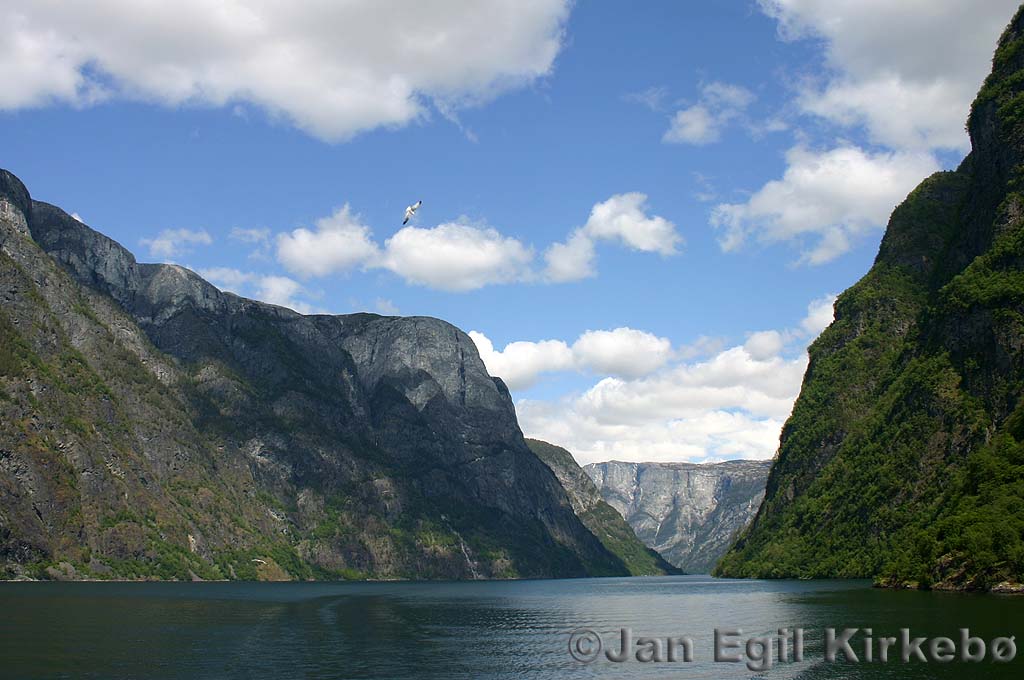
| Nærøyfjorden | |
West Coast
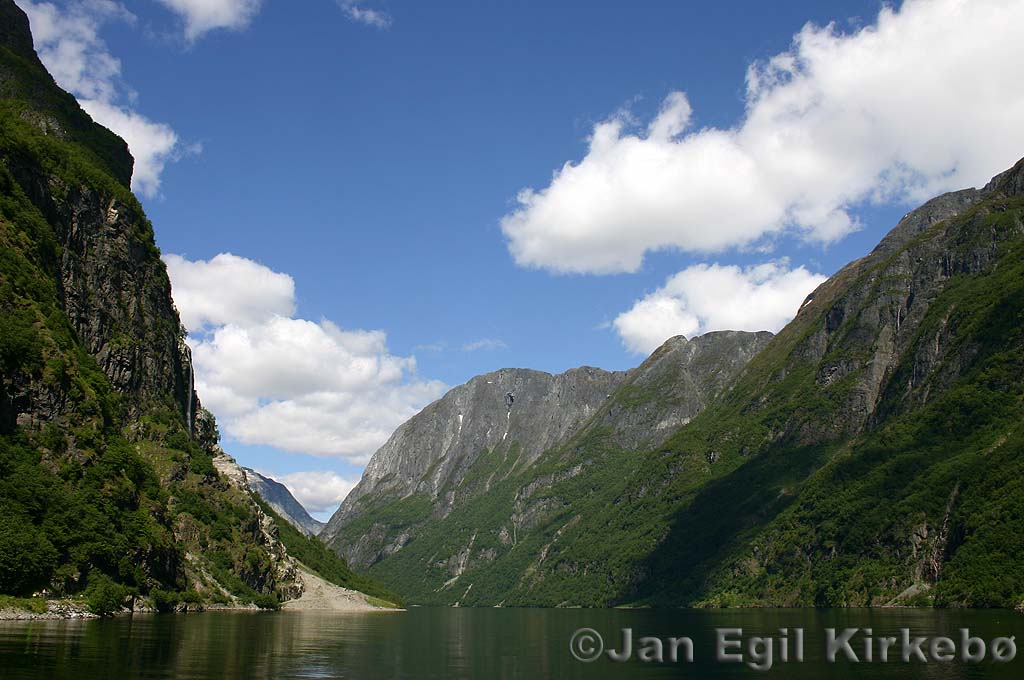
The steep rock walls falling dramatically into the sea, which make up the fjords of the west coast, is a highlight of any visit to Norway. For those in a hurry a fjord tour can be done on a long day trip from either Oslo or Bergen.
|
|
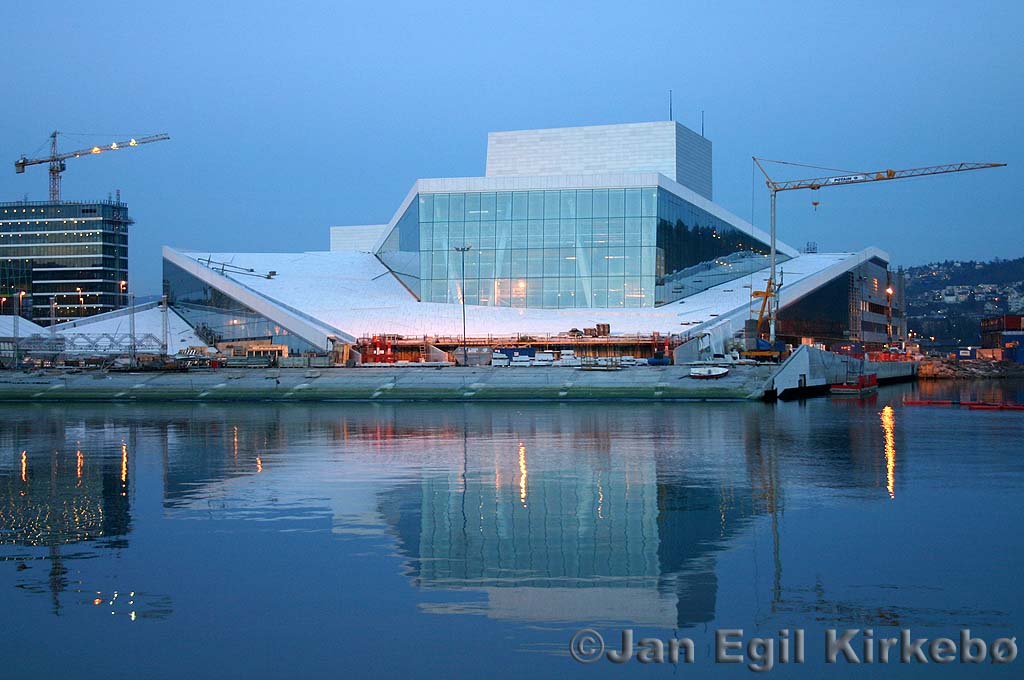
| Opera | |
Oslo
A new national opera for Norway is expected to open during spring 2008. Hopes are that it will do the same for Oslo as the Sydney Opera House has done for Sydney.
|
|
|
|
Europe | Norway --> Oslo --> --> Oslo --> |
Norway: Way to the North
Norway sits on the top of Europe, and is marked by a wild and majestic nature. The fjords of the west coast (the narrow inlets that cut through mountains as tall as 1000 meters) are breathtaking. The islands of the north, with mountains rising straight out of the ocean, also offer some experiences to be remembered. Although its cities are not the biggest in size, most have charming areas of old wooden houses on offer. Norway is one of the most expensive countries in the world, but most tourists would agree that it is well worth the visit. |
 |
 |
Oslo: Fjord Capital
Norway's capital is bounded on one side by the end of the Oslo Fjord and on the other side by hilly forrests, both forming a scenic backdrop to the city. Current-day Oslo bears evidence of Norway's new found oil riches, with trendy shops, cafés and restaurants sprouting up around the city. It has also rapidly become a multicultural city, with a large proportion of the current population being immigrants or of immigrant ancestry. It has enough attractions to keep one busy for at least a couple of days. |
Bergen: Sea and Mountain
Bergen is Norway's second largest city, though it beats Oslo by far when beauty is concerned, both naturally and architecturally. The city consists of picturesque wooden houses, surrounded by seven mountains and the ocean. The most prominent part of the city center is Bryggen (meaning the Wharf in Norwegian), which are a series of wooden houses along the harborfront which can trace their roots back to the Hanseatic times of the 1300s. Other attractions of Bergen include the fishmarket and the funicular going up Fløien mountain. |
 |
 |
Norway: Unspoiled Wilderness
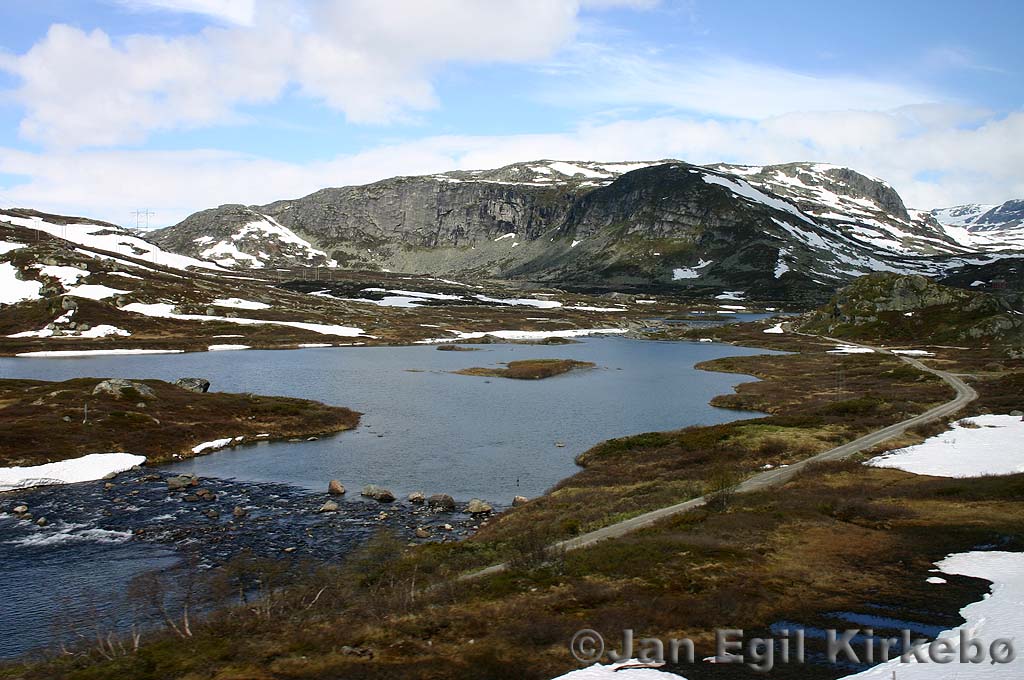
Norway is about the size of Germany, but with a population of just 4.6 million. This gives a lot of space to each person, and the vast unspoiled nature and its accessibility is also what attracts many visitors to Norway. There are many well-marked summer hikes through spectacular mountain scenery, and the experience is facilitated by numerous tourist cabins which offer relatively inexpensive accomodation and meals. In the winter the same hikes can be traversed by cross-country skiing (a national sport in Norway). |
Norway: Stave Churches
One of the architectural gems of Norway are its stave churches, which once dotted the Norwegian countryside (about 1000 are believed to have been built). Many survived until the 19th century, when they were destroyed, and only 29 remain. If you don't have a chance to see any of the stave churches in their natural setting, there is one on display in the open air Norwegian Museum of Cultural History in Oslo (moved from Gol, where it was built around year 1200). |
 |
 |
Norway: When Hell Freezes Over
Near the international airport of Trondheim is the village of Hell, which in Norwegian has nothing to do with the afterlife of punishment, but refers to a slope. Its train station has become a small tourist attraction because of its name and, even though passenger trains no longer stop there, many find their way there to have their picture taken in Hell. Next to the station is the old freight building with a sign saying "Gods-Expedition", which means cargo service in Norwegian. |
|
|
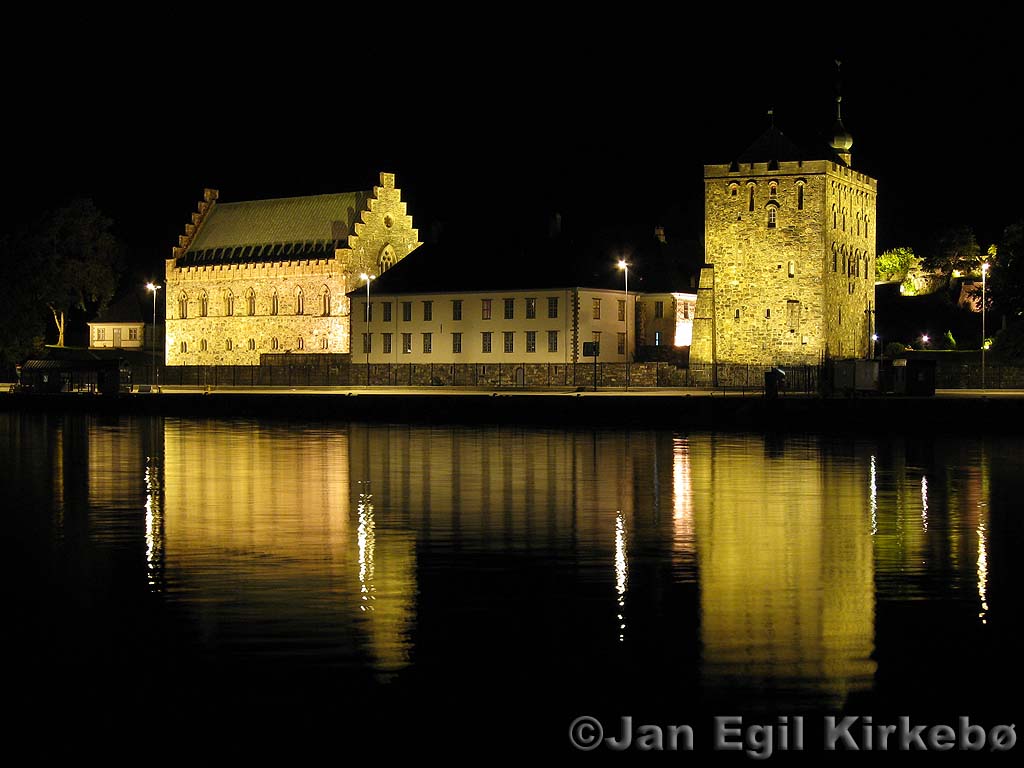
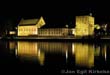
| Håkons's Hall | |
Bergen
Håkon's Hall in Bergen was built between 1247 and 1261 for King Håkon Håkonsson. It was a prominent building for the Norwegian monarchy, but after Norway entered into a union with Denmark it was used for storage purposes.
|
|
| Facts | |
Kongeriket Norge

Capital
Oslo
Largest city
Oslo
Population
4,627,000 (2007)
Area
323,802 km²
Official language(s)
Norwegian
Government
Constitutional monarchy
|
|
| History | |
Norway
•872: United into one kingdom by Harald Fairhair.
•1349: Black death kills 40-50% of the Norwegian population.
•1387-1814: In union with Denmark.
•1814-1905: In union with Sweden.
•1940-45: Occupied by Germany.
•1960s: Large reserves of oil and gas are discovered in the North Sea.
|
|
|