| Old Town | |
Vilnius
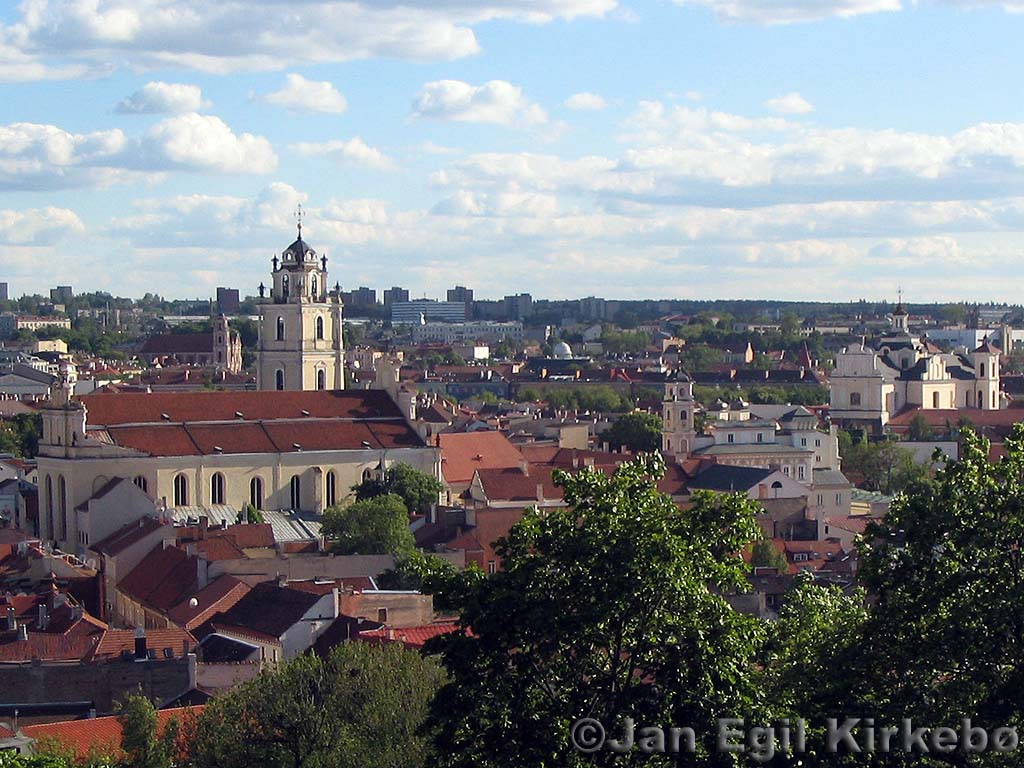
Between the Neris and Vilnia rivers lies the old town of Vilnius. Constructed during many epochs in history, its buildings display diverse styles of architechture spanning hundreds of years.
|
|
| Capital | |
Vilnius
For a nice view of Vilnius head up to the top of Gediminas Hill, which can be reached by funicular. There is also a 1930s reconstruction there of a gothic tower from the 1400s.
|
|
| Miracle Stone | |
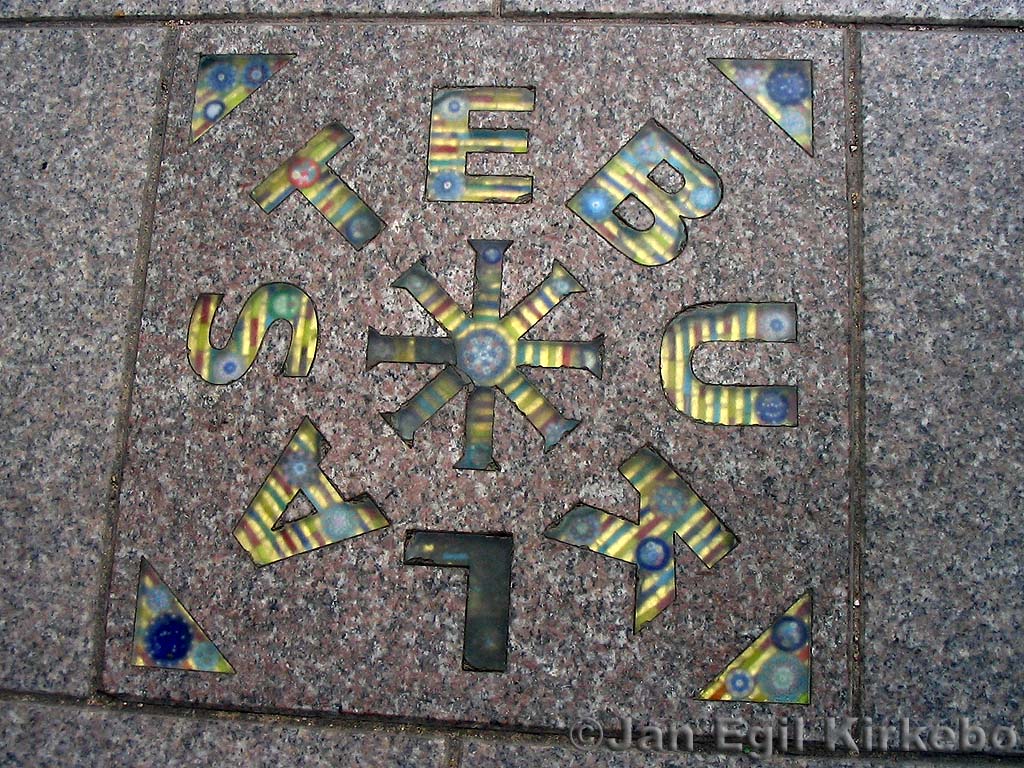
Stebuklas
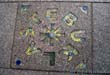
Stebuklas means miracle in the local lingua, and in Cathedral Square in Vilnius it is inscribed on one of the tile stones. Superstition has it that it's a place where wishes come true. Stand on the stone, make a wish, and turn 360°. Good luck!
|
|
|
|
Lithuania: Back to the Future
Lithuania is situated on the eastern Baltic coast, bordered by Latvia (north), Belarus (east and southwest), Poland and Kaliningrad (southwest). Most of the country is covered by forest and lakes, the latter of which there are over 2800. In 1991 it saw a long struggle for independence come to a successfull end. Lithuania has a long history, and after gaining freedom from the Soviet occupation it is finally coming into its rightful place - in one of Europe's fastest growing economies. |
 |
Vilnius: Cathedral Square
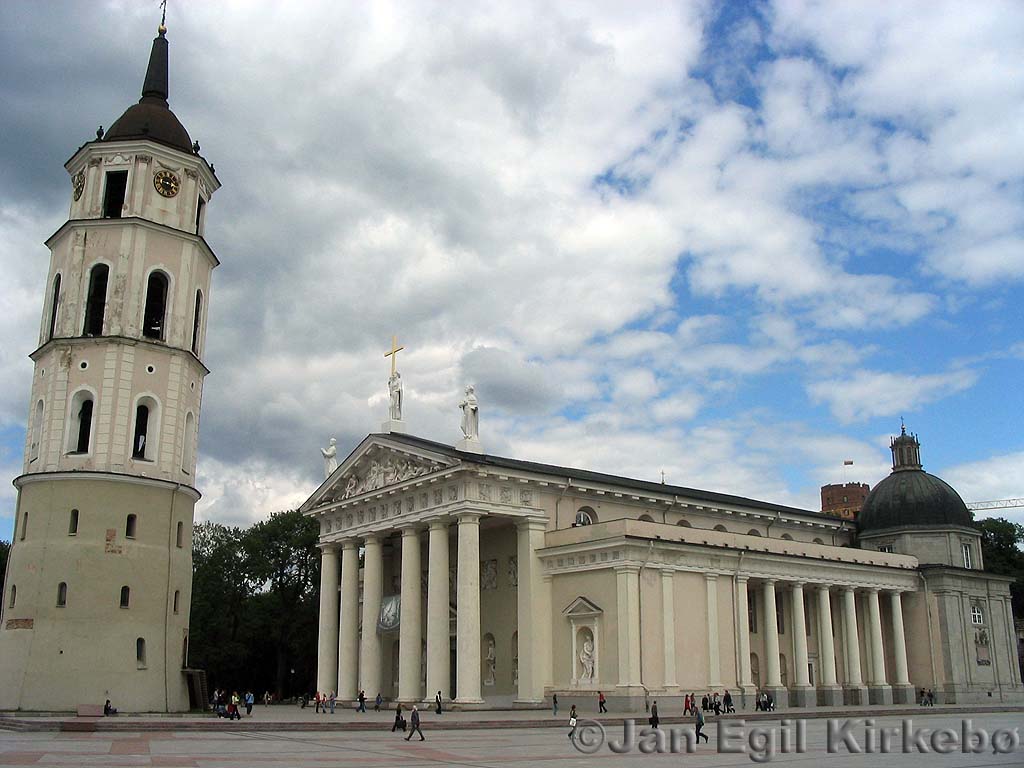
Cathedral Square in Vilnius is perhaps Lithuania's most recognizable sight, with its Vilnius Cathedral and bell tower. It even has a tile stone where you can make a wish! Though the square itself is of newer origin, the cathedral it holds is over 700 years old (though modified many times since). Cathedral Square is the place to go to see young Lithuanians about to get married, to see large national events, or to spend New Year's with thousands of Lithuanians. |
Grütas Park: Stalin World
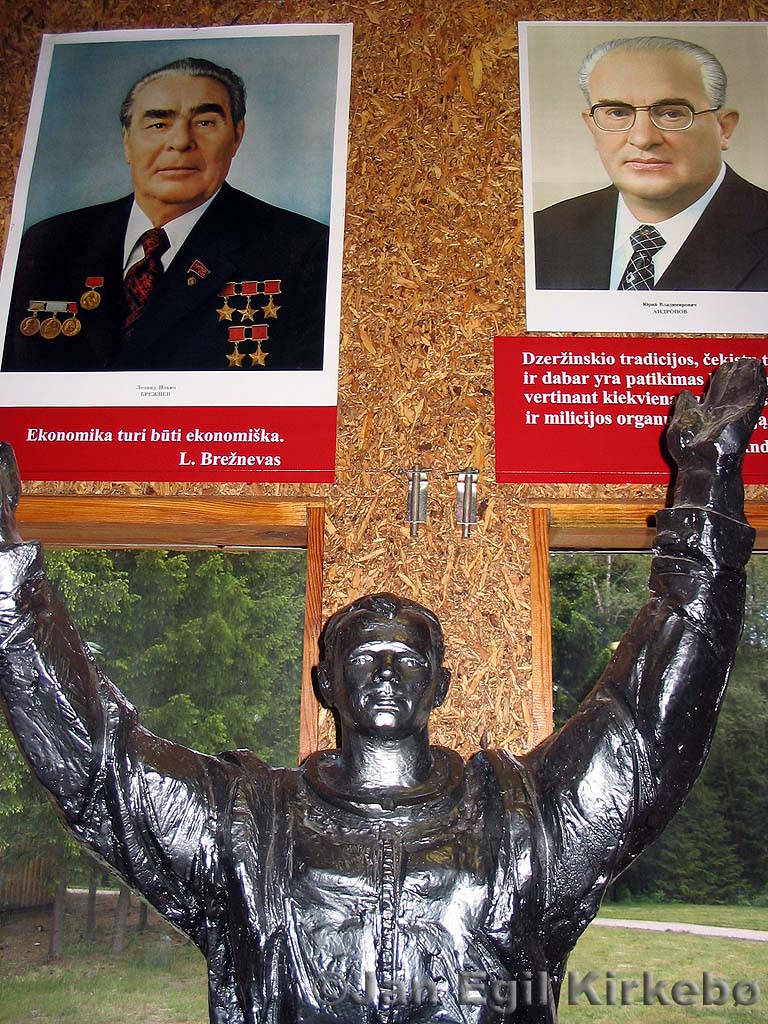
In the woods near Druskininkai is a park containing many of the long lost statues from the Soviet occupation of the Baltics. The park's name is Grütas, and it contains about 85 bronze and granite statues of Lenin, Stalin, Marx and other favorite communists, placed along a wooden path in the forest. The statues are placed in different spheres, with names such as the totalitarian sphere and the terror sphere. The park is surrounded by barb wire and watch towers, giving the feel of being in a Soviet gulag. Buses go to the park every two hours from Vilnius, 120 kilometers away. |
 |
 |
 |
 |
Grütas Park: Soviet Nostalgia
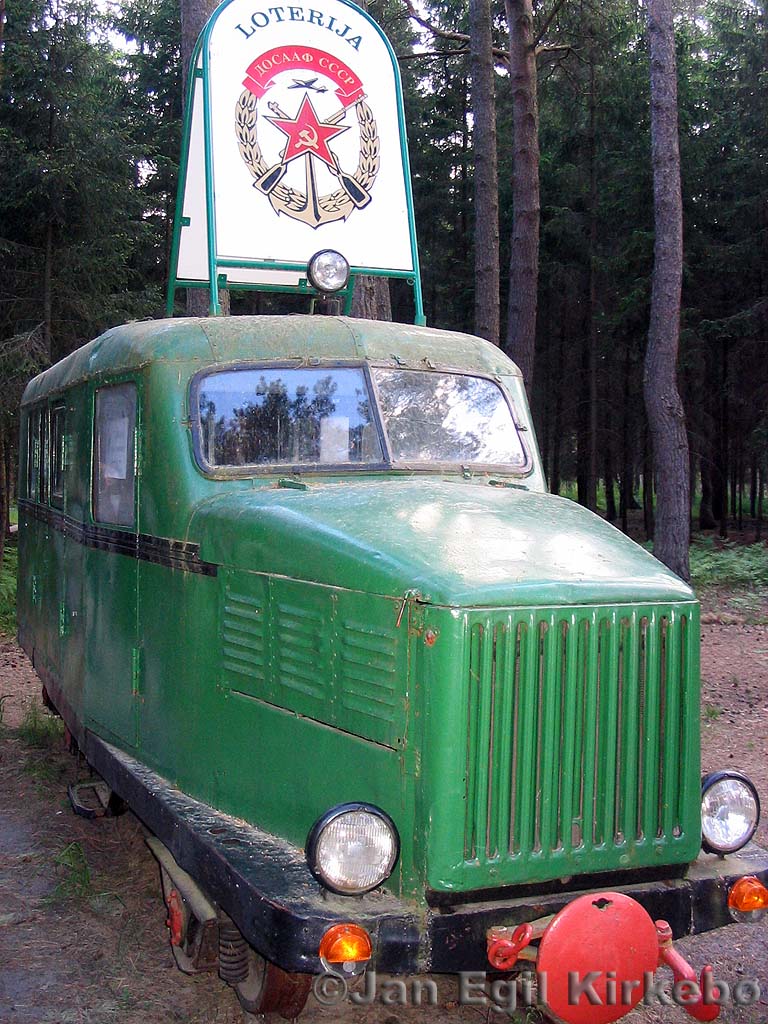
There's more to Grütas Park than just statues. Millionaire owner Viliumas Malinauskas has also collected posters, medals, uniforms and even trucks from the Soviet times. At the entrance to the park there's also a train with cattle cars, reminding visitors of how hundreds of thousands of Lithuaninas were deported to Siberia by the Soviets. |
Vilnius: Church of St. Casimir
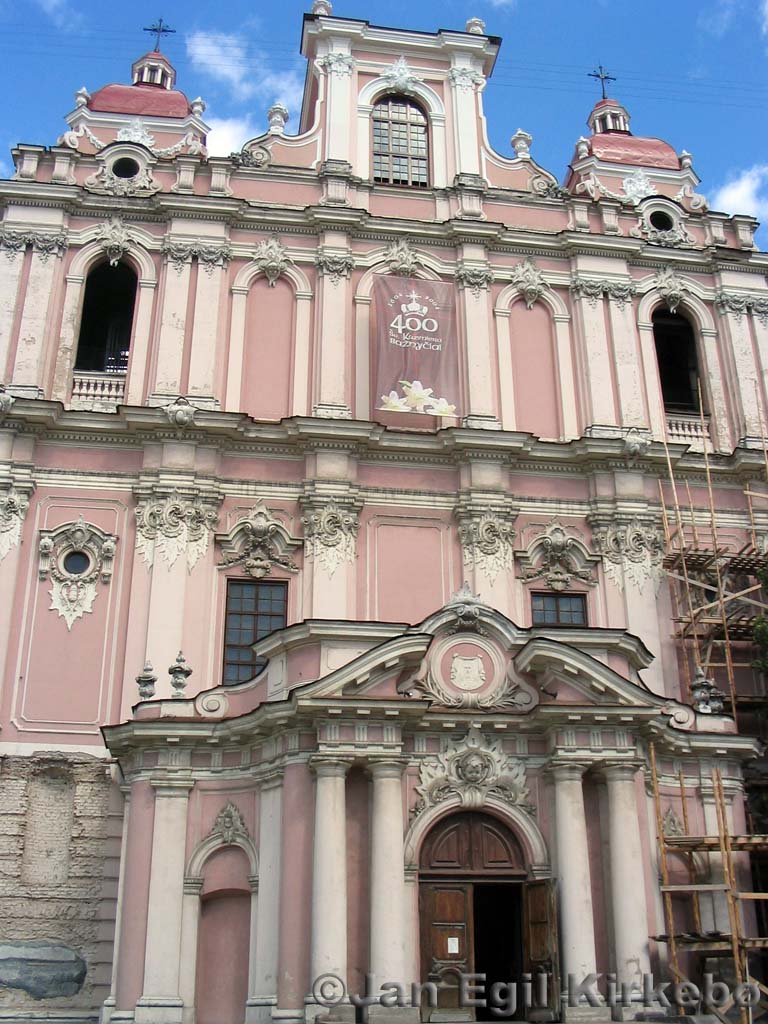
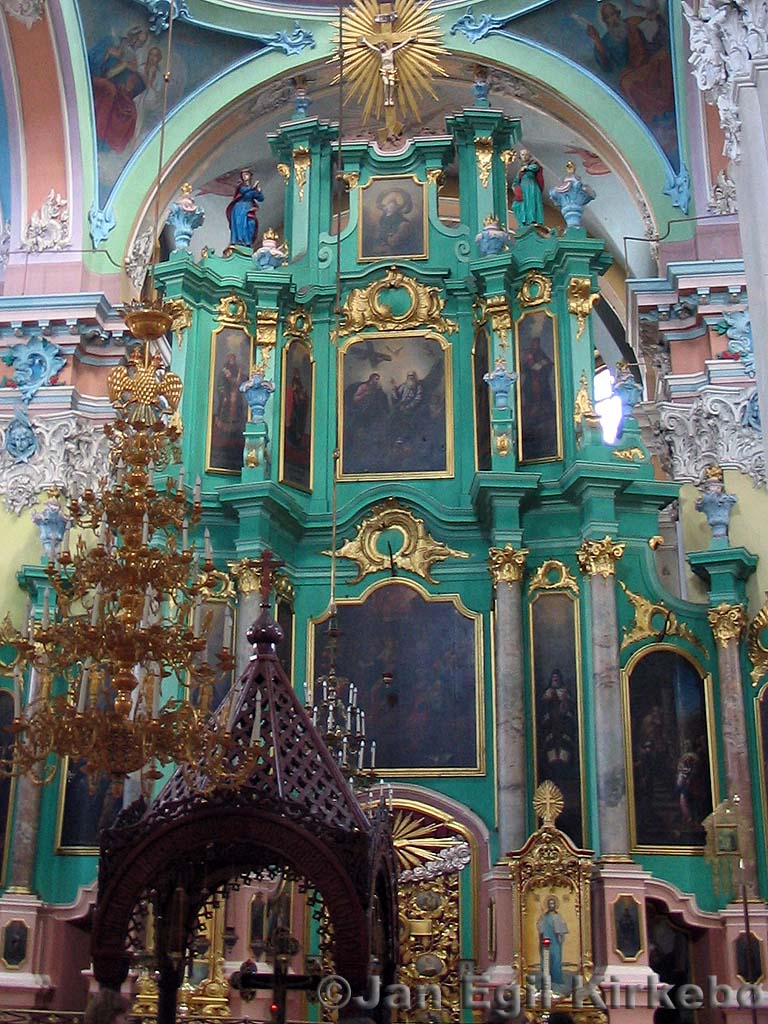
The Church of St. Casimir in Vilnius dates back to 1604, but has been destroyed and rebuilt several times. It's named after the patron saint of Poland and Lithuania, Prince Casimir Jagiellon, and its baroque architecture is among the best in Vilnius. It was built as a Jesuit church, but has seen various uses. Napoleon's troops used it as storage house for grain, and the Soviets converted it into a museum of atheism. It was handed over to the Roman Catholics in 1988. It's located just up the hill from the Town Hall Square, at Didžioji 34. |
 |
 |
 |
Lithuania: Road to Europe
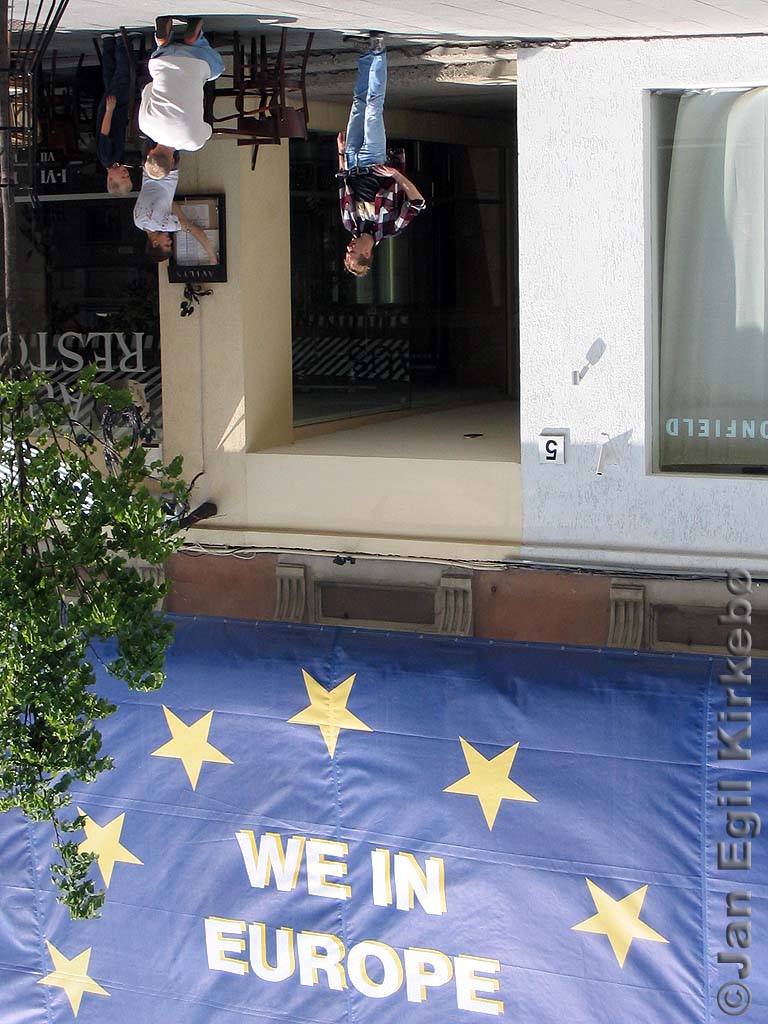
In 1940 Lithuania was annexed by the Soviet Union, as part of the Molotov-Ribbentrop Pact. The pact between Germany and the Soviet Union had a secret clause ceding many independent countries to each of the parties. When Germany breached the pact and invaded Lithuania 190,000 Lithuanian jews were killed. The suffering continued under the Soviet re-occupation, which lasted until independece in 1991, when hundreds of thousands of Lithuanians were deported to Siberia. After 1991 Lithuania has been the fast-track to progress. In 2003 its economic growth was the highest among EU members and candidates, and on May 1, 2004 Lithuania joined the European Union. |
|
|
| KGB | |
Vilnius
Gediminas Ave. 40 in Vilnius houses the former jail of the KGB, in operation from 1940 until 1991. A visit to the museum is highly recommended.
|
|
| Facts | |
Lietuvos Respublika

Capital
Vilnius
Largest city
Vilnius
Population
3,585,000 (2006)
Area
65,200 km²
Official language(s)
Lithuanian
Government
Parliamentary democracy
|
|
| History | |
Lithuania
•1316-1430: During Gediminas dynasty, Lithuania encompasses present-day Belarus, Ukraine, and parts of Poland and Russia.
•1569: United with Poland in Polish-Lithuanian Commonwealth.
•1918: Re-establishes independece.
•1940: Annexed by the Soviet Union.
•1990: Declares independence from the Soviet Union.
•2004: Joins European Union.
|
|
|