| City View | |
Tokyo
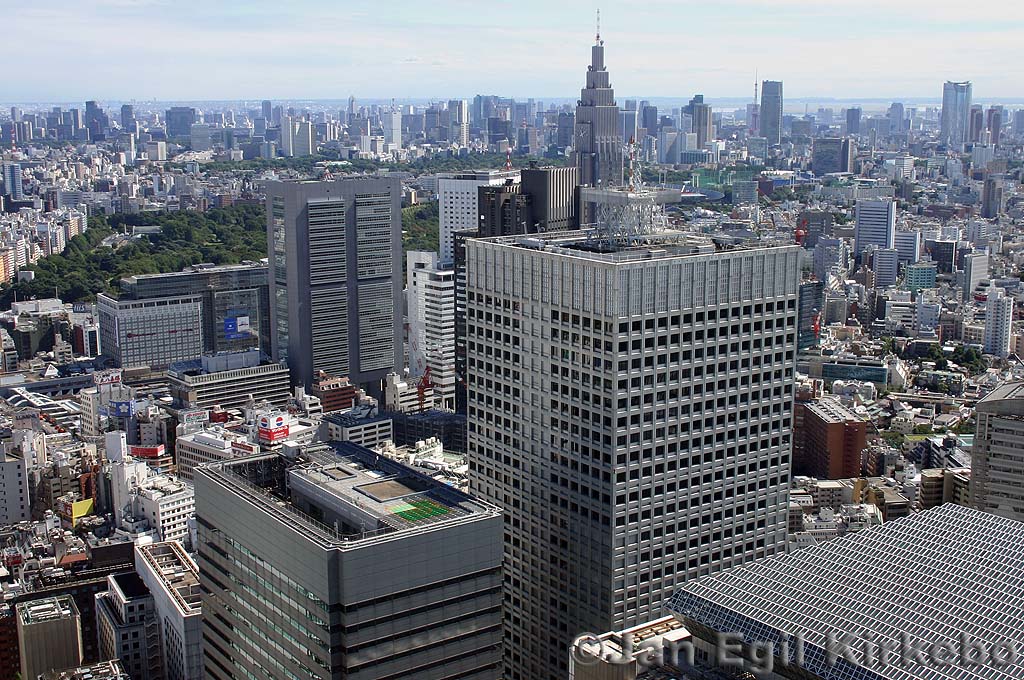
The Tokyo Metropolitan Government Offices Building offers some of the best views of the city. On a clear day you might even see Mt. Fuji in the distance. Best of all: Entrance is free!
|
|
| Shibuya | |
Tokyo
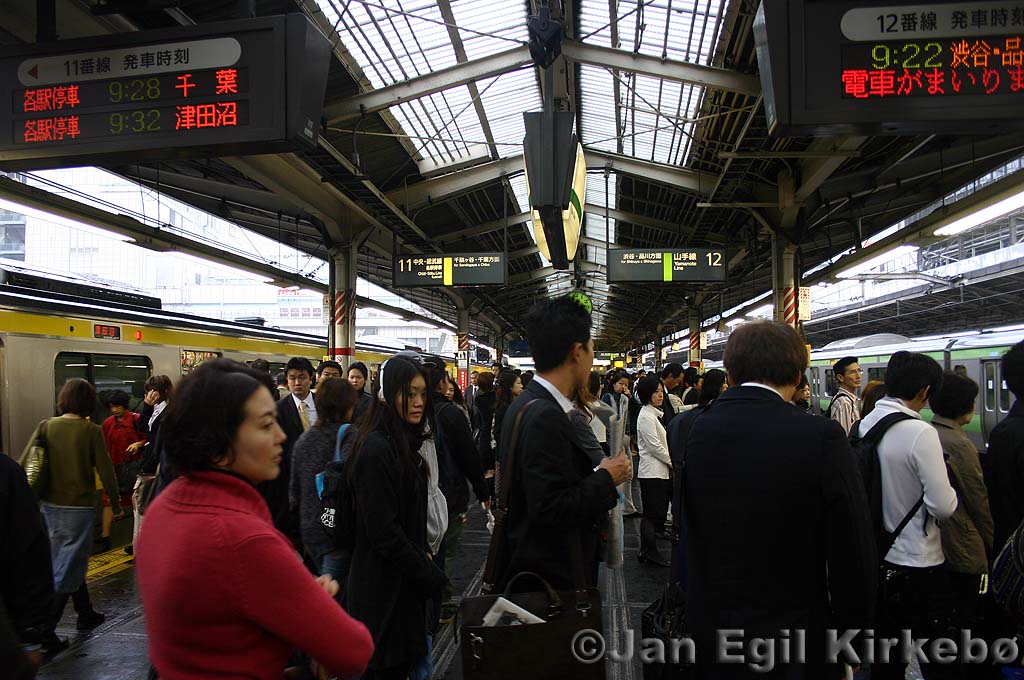
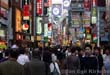
Shibuya is one of the fashion centers of Japan, and on weekends it's one of the best places to see crowds of fashion-minded young Japanese. During the day it's all about shopping, while after dark belongs to the party-goers.
|
|
| Shinjuku | |
Tokyo
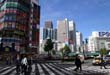
Shinjuku's name comes from the Japanese words for new (shin, 新) and station (juku, 宿). Of its inhabitants (about 300,000), 10% are foreigners, the highest percentage of all cities in Tokyo.
|
|
| Media | |
Shinjuku City
Official site
Tokyo Metropolitan Government
Official site
|
|
|
|
Tokyo: Endless City
With 35 million people in the metropolitan area, Tokyo can rightfully be called one of the world's great megacities. It is an endless expanse of buldings and overground highways and railroads, lit by the ever-present neon signs. History and the old has definitly had to take the backseat, with future pushing ahead at full speed. The size and density of Tokyo can be intimidating at first, but with patience and curiosity the many small treasures of the city reveal themselves. |
 |
 |
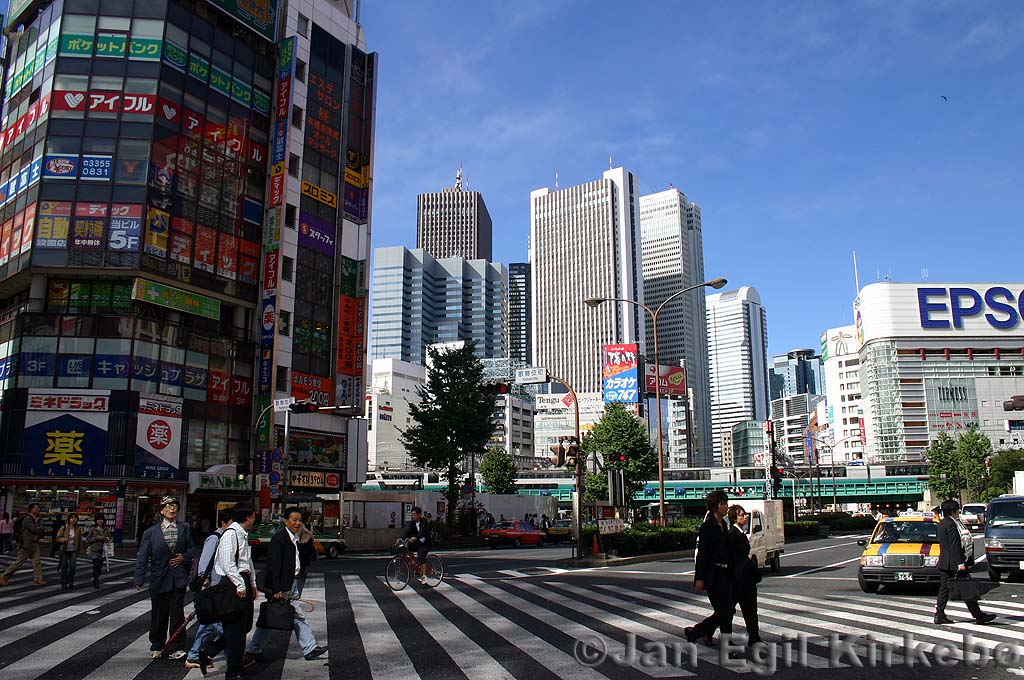
Shinjuku: Neon City
No trip to Tokyo is complete without a visit to Shinjuku, the busiest neighborhood in the busiest of cities, lighted up after dark by thousands of neon lights. Shinjuku is where business, shopping, party and sleazy all meet up, crammed into a few blocks around the world's busiest train station (with near two million passing through every day). The west side is mostly for business; the real action is on the east side, which also contains Tokyo's notorious red-light district (Kabuki-chō). |
Nikko: Rinnoji Temple
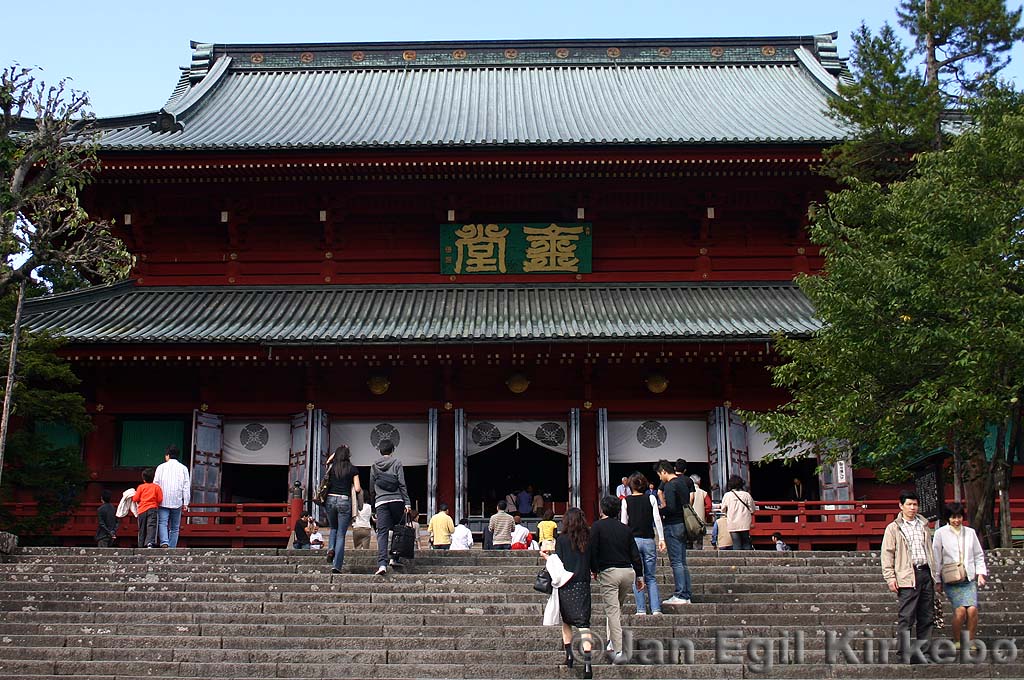
A nice day-trip from Tokyo is to the town of Nikko, one of the highlights of any visit to Japan. The city is 140 km north of Tokyo, and boasts a nice collection of temples and shrines, placed in beautiful mountainous surroundings. The history of Nikko goes back at least to the 8th century, though it came into its own right in the 17th century when it was chosen as the site of the mausoleum for the warlord Tokugawa Ieyasu, who established a shogunate which ruled Japan for 250 years. |
 |
 |
Tokyo: Golden Kannon Temple
Once the pleasure district of Tokyo, today Asakusa is one of the best places in town to see the remaining traces of the city's historic past. The undisputed highlight of Asakusa is the temple of Sensō-ji, which houses a golden Kannon (the Buddhist Goddess of Mercy). According to legend the Kannon has been on the same spot for almost 1500 years, since 628 AD. Though, the present day temple only dates back to 1950. Sensō-ji and the area around gets very crowded on weekends and holidays. |
Tokyo: Imperial Palace
The Kōkyo in central Tokyo is home to the Japanese imperial family. It was once the site of the world's largest palace, the Edo-jō, which was destroyed by Allied bombing during WWII. The current palace only dates back to 1968. Except for two days per year (December 23 and January 2) it is closed to the public. The rest of the year visitors will have to settle for a view of the palace from across the moat surrounding the compound. |
 |
 |
Tokyo: Shibuya Crossing
Featured in films such as Baraka and Lost in Translation, Shibuya Crossing is an attraction in itself. When traffic from all directions get the red light, the green light is given to thousands of pedestrians crossing in all directions. From above it looks like an anthill. Near the station entrance is the statue of Hachikō, famous among all Japanese. Hachikō was the small and faithfull Akito dog who would come to the station every day to meet his owner (a professor living in Shibuya), continuing the ritual even long after the owner's death. |
|
|
| Mountain Town | |
Nikko
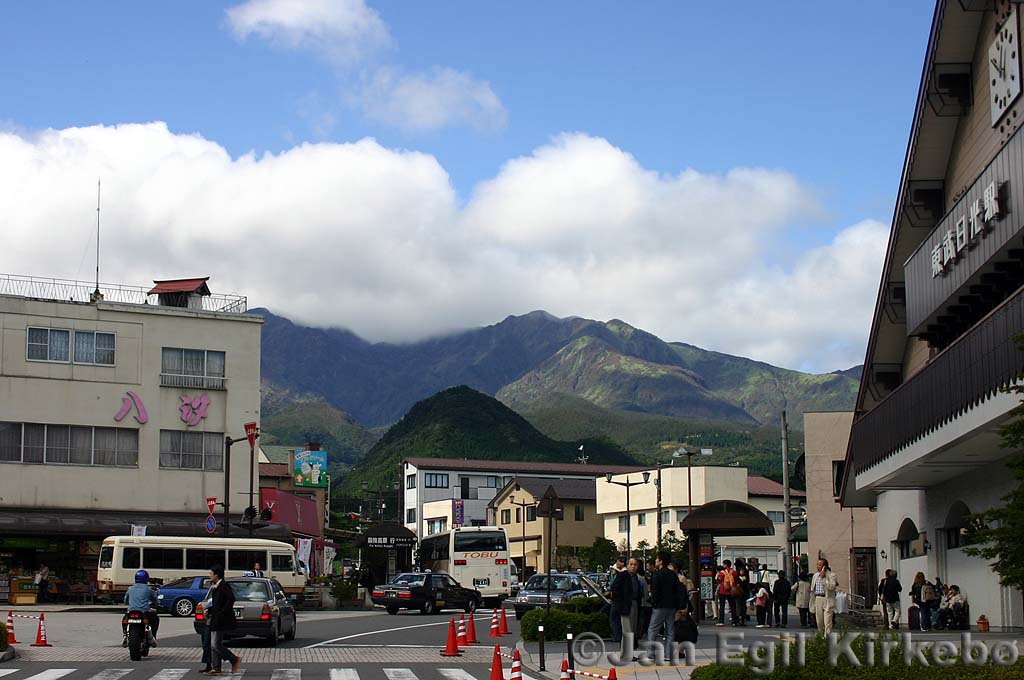
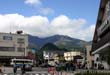
Nikko is best reached by the Tōbu-Nikkō line from Asakusa Station in Tokyo. Try to avoid the town alltogether on weekends and holidays, when it gets very crowded.
|
|
| Facts | |
Location
In the Kantō region on Honshū island in Japan
Origin of Name
東 tō- East
京 kyō - Capital
Together - Eastern Capital
Population
12,678,000
Temperature
Average 16 degrees
August hottest
January coldest
Municipality area
6598 km²
GDP
US$1.315 trillion
|
|
| Travel | |
Japan Rail
National Railways Group
Japan Travel and Living Guide
Extensive guide to Japan
Nikko Tourist Association
Official site
Tokyo Metro
City subway
Tokyo Tourism Info
Official site
Work in Japan
Bilingual jobs site
|
|
|










 -->
-->