| Miyajima | |
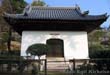
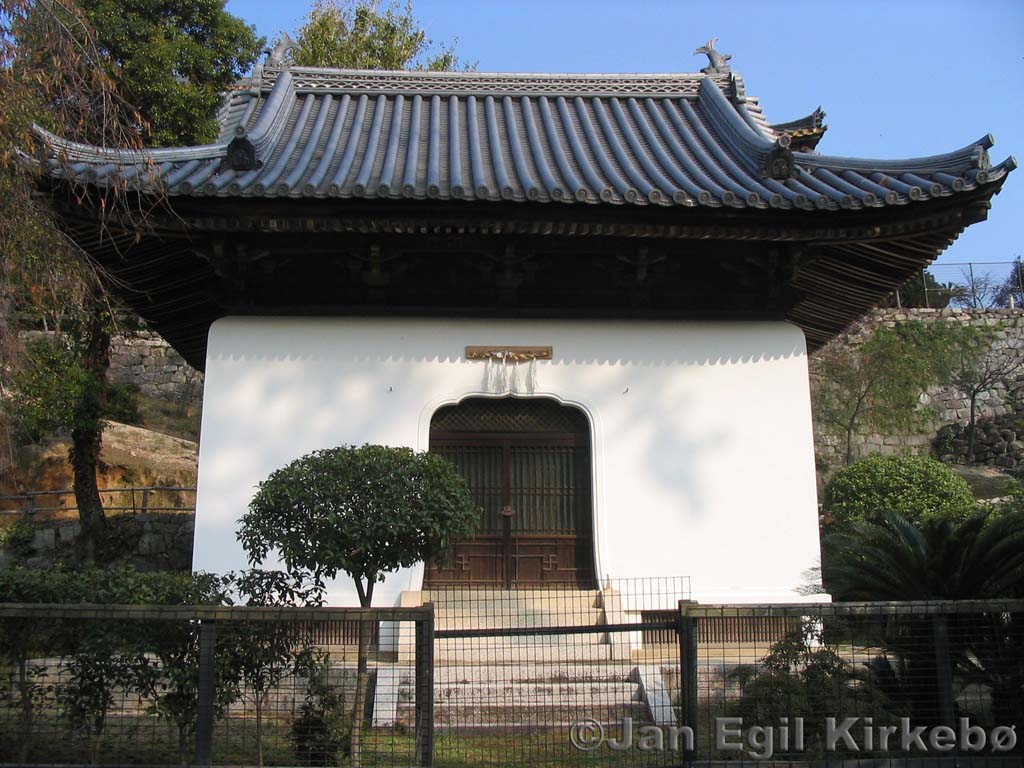
Temple
Since ancient times the island of Miyajima has been worshipped as a god, so much so that common people were not allowed to step on the island itself in past times. Nowadays a ferry ticket suffices to go there.
|
|
| Miyajima | |
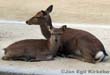
Deer Island
In addition to its temples, the second attraction of Miyajima are its deers. They are tame, oh so cute, and will gladly pose for a photograph or two.
|
|
| Hiroshima | |
Clock
When Fat Man exploded 600 meters above the center of Hiroshima everything stopped, including time. Three days later Nagasaki's destiny would follow same suit.
|
|
|
|
Hiroshima: Atomic City
On August 6, 1945, Fat Man was dropped from a US bomber plane over Hiroshima. When it exploded 600 meters over the city, at 8:15 AM, the world's first atomic bombing was a fact. After three days, and the additional atomic bombing of Nagasaki, a total of 100,000-200,000 people had died from the bombings. The necessity of the bombs are still up for debate, but the horror experienced by the population of Hiroshima and Nagasaki should never be forgotten. |
 |
|
Miyajima: Top Torii
Just a short trip from Hiroshima is the island of Itsuku-shima, popularly known as Miyajima (宮島, which means Shrine Island). The view of its floating torii (a Shintō shrine gate) set against the backdrop of Mount Misen, has been considered as one of the Top Three Views of Japan since the 1600s. The 16 meter high torii is surrounded by mud most of the time, except during high tide, when it appears to be floating. Miyajima is just a 10 minute ferry ride from the main land. |
Hiroshima: A-Bomb Dome
The main symbol of the devastation wreaked upon Hiroshima is the A-Bomb Dome. The art-deco style building, completed in 1915, served as the Hiroshima Industrial Promotion Hall until the atomic bomb exploded almost directly above it. Everyone inside the building were killed, though since the force of the explosion came from almost directly above the walls and the wire framwork of the dome escaped collapse. |
|
|
Miyajima: Itsukushima
The vermilion-painted Itsukushima-Jinja (jinja means Shinto shrine) is the shrine that gives Miyajima (island) its real name. The shrine consists of piers, and it was built like this so that common people could enter the shrine without actually having to step on the holy land of the island. There are several other temples and shrines on the island, which are well worth a visit. If you have the time it is also possible to ascend the 535 meter tall Mount Misen, which offers suberb views from the summit. |
Hiroshima: Peace Memorial Museum
The Peace Memorial Museum in Hiroshima offer an overwhelming experience, exhibiting the tragedy which unfolded after the atomic bomb exploded over the city over 60 years ago. Through displays, pictures, personal affects and narratives the museum gives vivid insights into the pain and suffering which followed in the wake of the bomb. Most visitors leave with great solidarity for the museums aim for the abolition of nuclear arms. |
|
|
Hiroshima: Atomic Aid Trams
Hiroshima is most famous for being the first victim of an atomic bomb. It's also (lesser) famous for its trams. Trams used to be a common sight in many Japanese cities, but railways and buses relegated trams to the past. So after the A-bomb, as cities all over the world sent aid, many Japanese cities sent their trams. Thus, today's extensive (and inexpensive) Hiroshima tram-network is like a rolling museum, with trams of all shapes and colors. |
|
|
| Hiroshima | |
Destruction
It's impossible to imagine Hiroshima in the hours after "all hell broke loose". However, the superb exhibitions in the Peace Memorial Museum brings you part of the way to understanding the horror of the day the bomb dropped.
|
|
| Facts | |
Location
In the Chūgoku region of western Honshū island in Japan
Origin of Name
広 Hiro(i) - Wide
島 Shima - Island
Together - Wide Island
Population
1,159,000
Temperature
Average 7-17°C
Municipality area
905 km²
Average elevation
6 meters
|
|
|









 -->
-->