| Eating | |
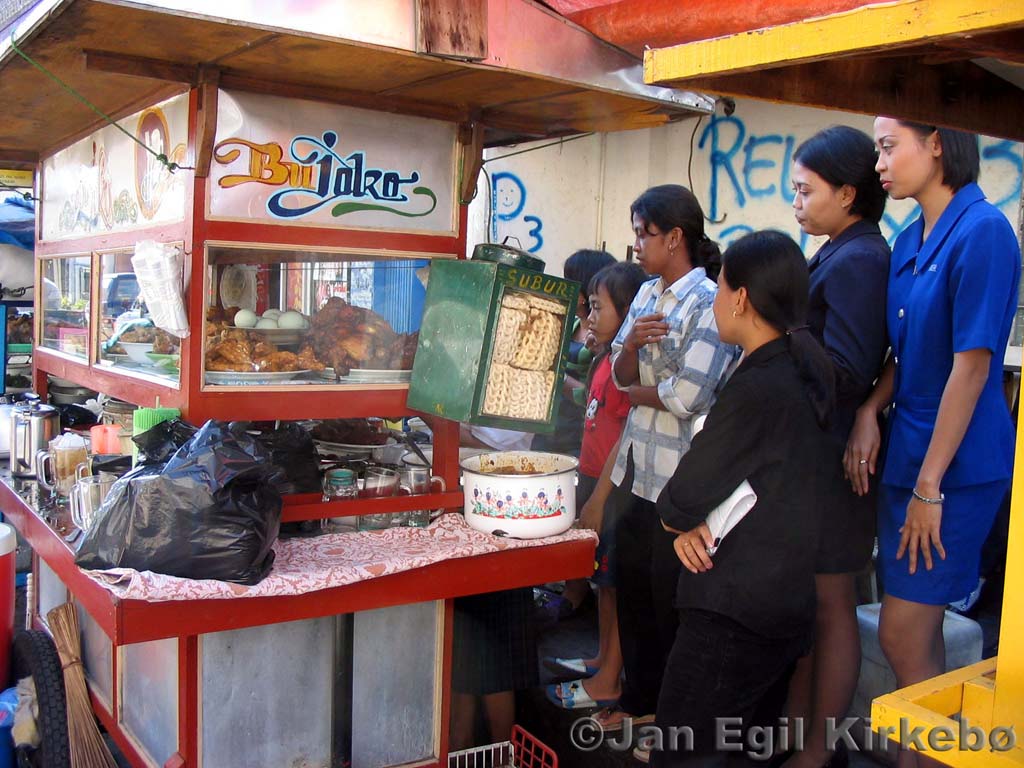
Java Dining
Rice, chicken and egg. Add some sweet soy sauce and spices and you've got yourself the typical Javanese lunch, dinner or snack - you will see it written as nasi goreng (meaning fried rice in Indonesian) on the menu.
|
|
| Traffic | |
Yogyakarta
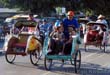
Scooters and bicycles are still the major mode of transportation in Java, making rush hour just a littlebit more tolerable than in many other Asian cities.
|
|
| Music | |
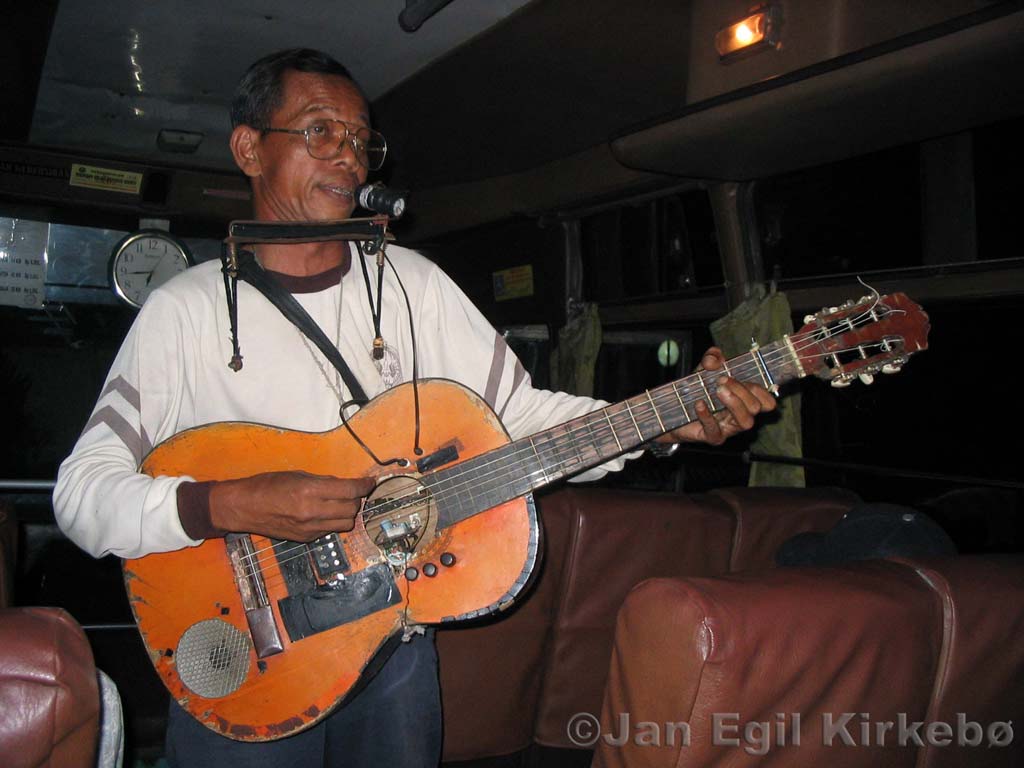
Yogyakarta
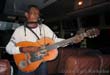
You never know when talent or it's little brother will pass you on your journey. Always keep a few Rupiahs ready (and perhaps also some earplugs).
|
|
|
|
 |
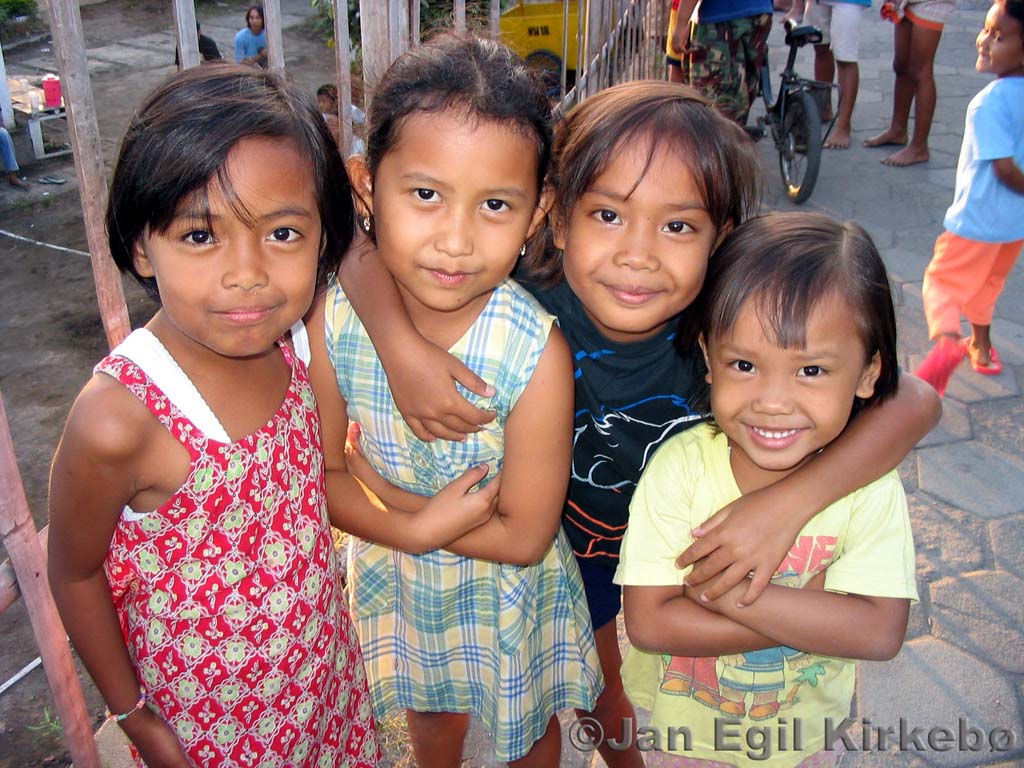
Java: Island Smiles
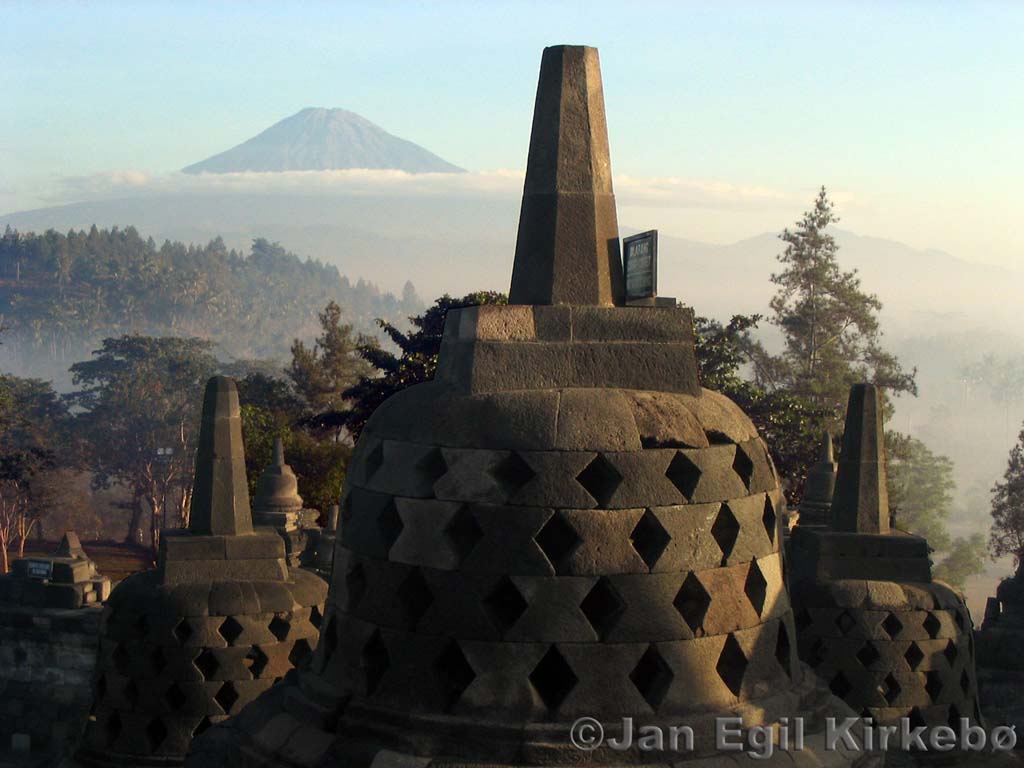
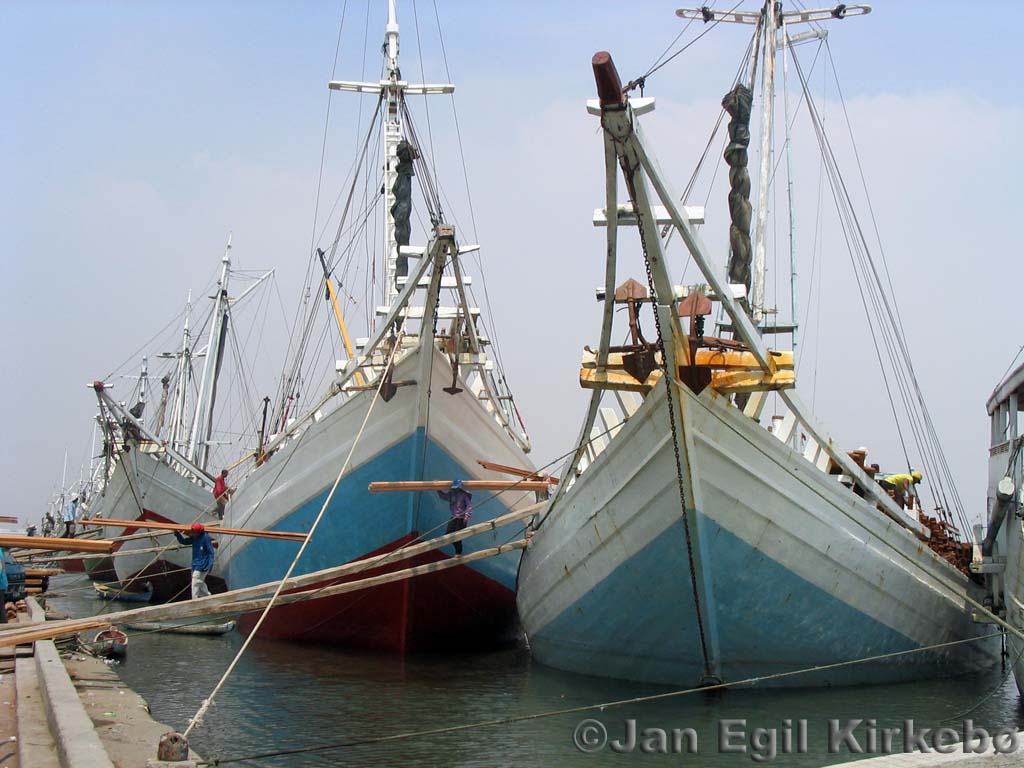
See sunrise over Borobudur, the largest Buddhist monument in the world. Nearby is the Hindu temple of Prambanan. Both are within easy reach of cultural city Yogyakarta. Then cross the island of Java to see Jakarta, capital of 240 million Indonesians. Don't forget to drop by Jakarta's port to see the schooners of the Bugis people, one of the world's last commercial sailboat-fleets. By size Java is not Indonesia's biggest island, but with 130 million inhabitants you'll have ample opportunity to meet the smiling Javanese. |
Borobudur: Part I
The 1200 year old Borobudur is the largest Buddhist monument in the world, and it is one of Java's most recognizable sights. Be an early bird, and make sure you don't miss the sunrise over Borobudur, it's magic! After sunrise walk down the nine terraces that make up the monument, and read the story of Buddhism, told in more than three kilometers of reliefs. Borobudur is easily accessible from Yogyakarta, only 40 minutes away by car. |
 |
 |
 |
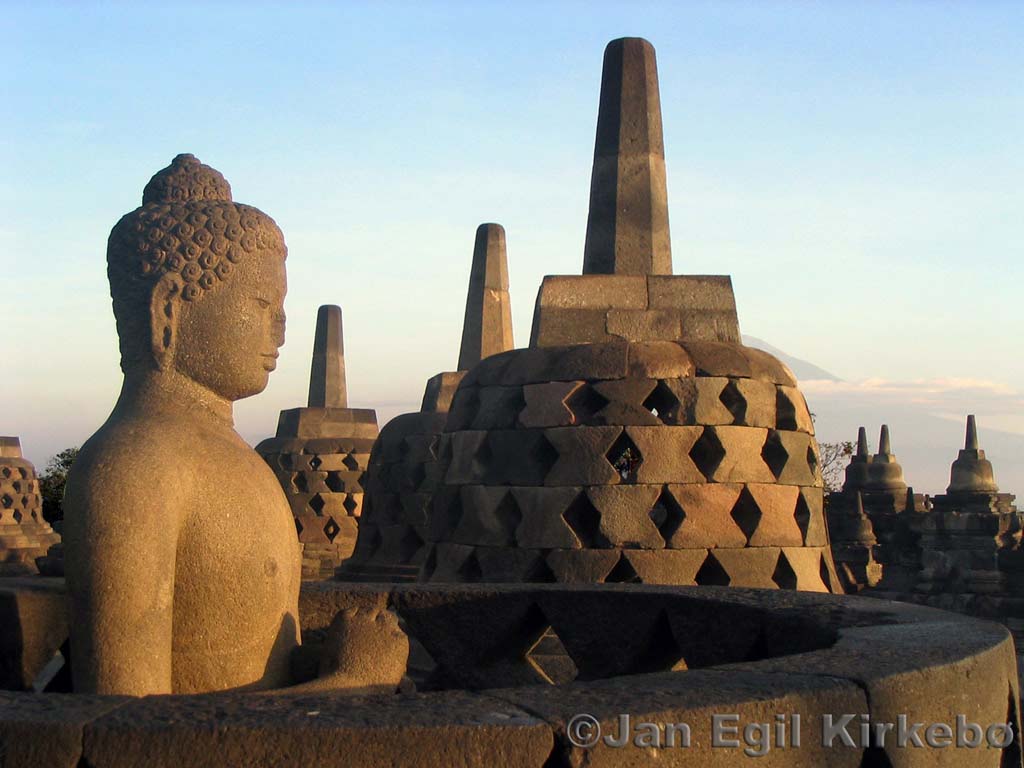
Borobudur: Part II
Just below the main stupa of Borobudur are 72 circular stupas, some still containing lifesize Buddhas. From here, looking out at Borobudur and the surroundings, it is hard to believe that the whole monument was hidden for centuries under layers of ash. |
Jakarta: Bugis People
Scared of the bogeyman? The once feared Bugis people gave name to this word. They were pirates and traders, and their expeditions extended all the way to Australia. Head to the docks of Jakarta, in the north of the city, and you'll see what is one of the world's last commercial sailboat-fleets. Everything is still done manualy, including the loading and unloading of heavy cargo from the schooners. Even though the Bugis people are conservative muslims they have kept many of their pre-islamic beliefs in their religion. |
 |
 |
 |
 |
Java: Snapshot
A snapshot of Java (from left to right):
-Parking in Yogyakarta. A car is still a luxury in Java, ensuring at least a certain saneness to Javanese traffic.
-Prambanan is one of the largest Hindu temples in South-East Asia, located near Yogyakarta.
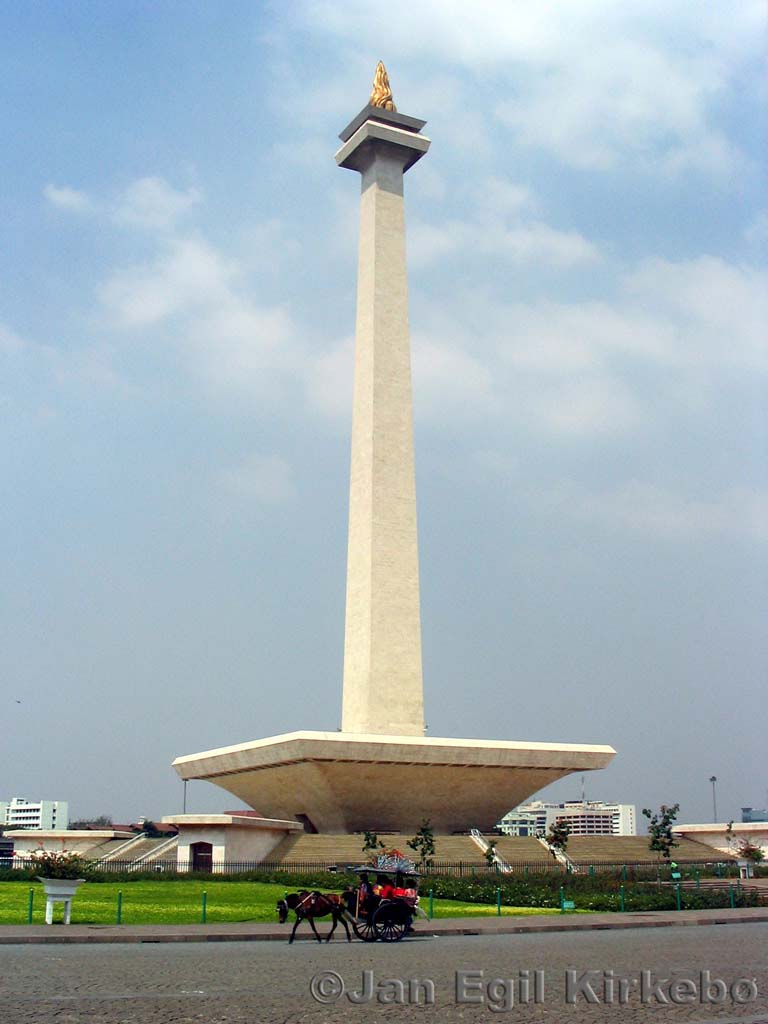
-Symbol of Jakarta, the National Monument. From the top there's a somewhat nice view of Jakarta. |
Yogyakarta: Sultans of Swing
Located near both Borobudur and Prambanan, the city of Yogyakarta (pronounced Jogjakarta) is the undisputed tourism capital of Java. Yogyakarta is ruled by a sultan, currently the honorable Sri Sultan Hamengkubuwono X, and you can see his kraton (which means palace) in the middle of the city. Yogyakarta has a small-city feel to it, and you'll even see horse-drawn carriages on the main street Jalan Malioboro. If you have some time to spare visit the Fort Vredeburg, a fortress left by the Dutch which dates back to 1765. |
 |
|
|
| Buddha's Story | |
Borobudur
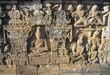
While ascending the nine platforms of Borobudur follow the story of Buddhism, told through over three kilometers of reliefs.
|
|
| Facts | |
Republik Indonesia

Capital
Jakarta
Largest city
Jakarta
Population
245,452,000 (2006)
Area
1,919,440 km²
Official language(s)
Indonesian
Government
Republic
|
|
| History | |
Indonesia
•200s-1200s: Ascent and downfall of Sriwijaya Kingdom.
•1200s: Islam introduced to the archipelago.
•1300s: "Golden Age" of country under Hindu Majapahit Kingdom.
•1798: Established as Dutch colony after 200 years of having Dutch as main traders.
•1942-45: Occupied by Japanese during WWII.
•1945: Sukarno declares independence.
•1967-98: Suharto rules as dictator after taking presidency from Sukarno.
•1997-98: Country hardest hit by East Asian Financial Crisis.
|
|
|