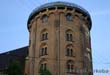
| Rundetårn | |
Copenhagen
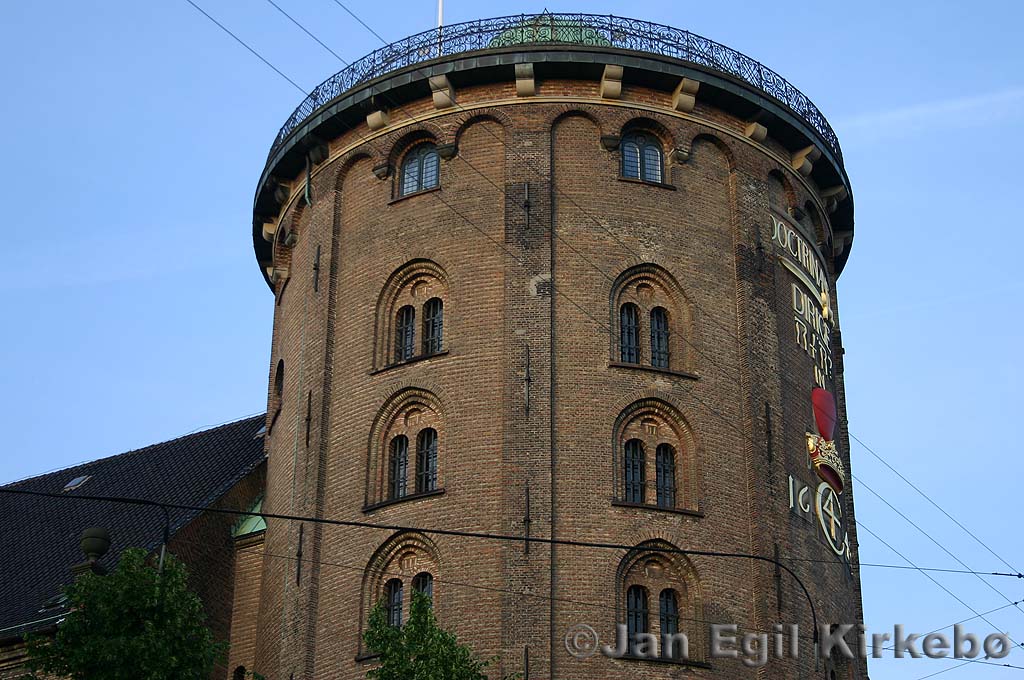
A nice view of Copenhagen can be found on top of Rundetårn (Round Tower). It was built in 1642 by King Christian IV, and was originally used as an astronomical observatory. The inside of the tower is simply a 209 meter long spiral walkway.
|
|
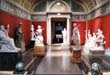
| Carlsberg Glyptotek | |
Copenhagen
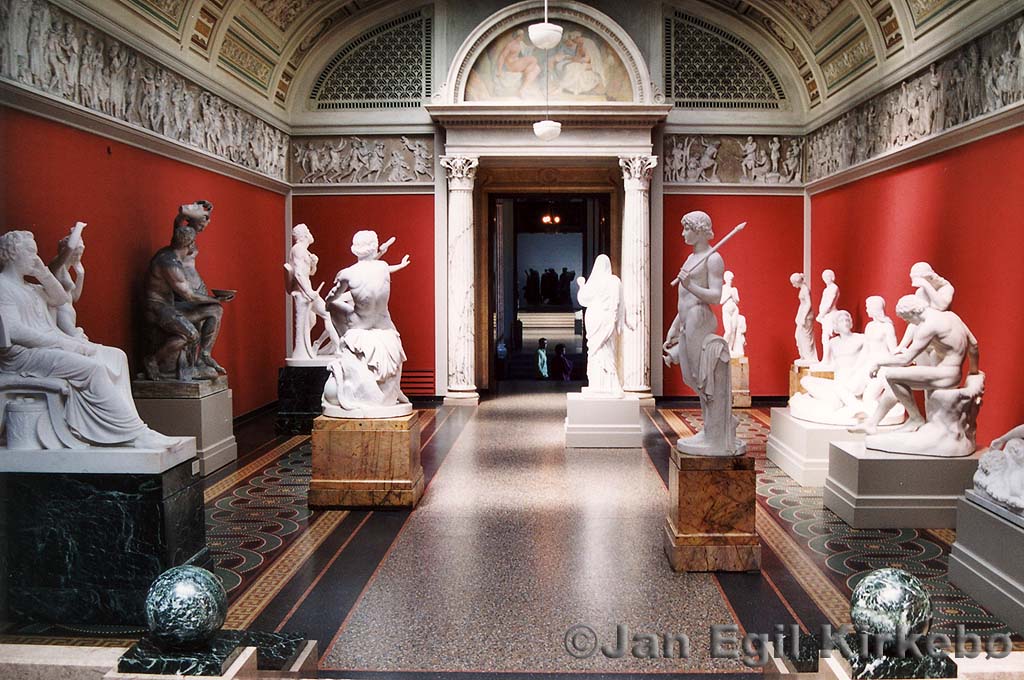
Home to the largest collection of ancient art in Northern Europe, the Ny Carlsberg Glyptotek also contains numerous works by greats such as impressionists Paul Gauguin and Auguste Rodin.
|
|
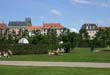
| Kongens Have | |
Copenhagen
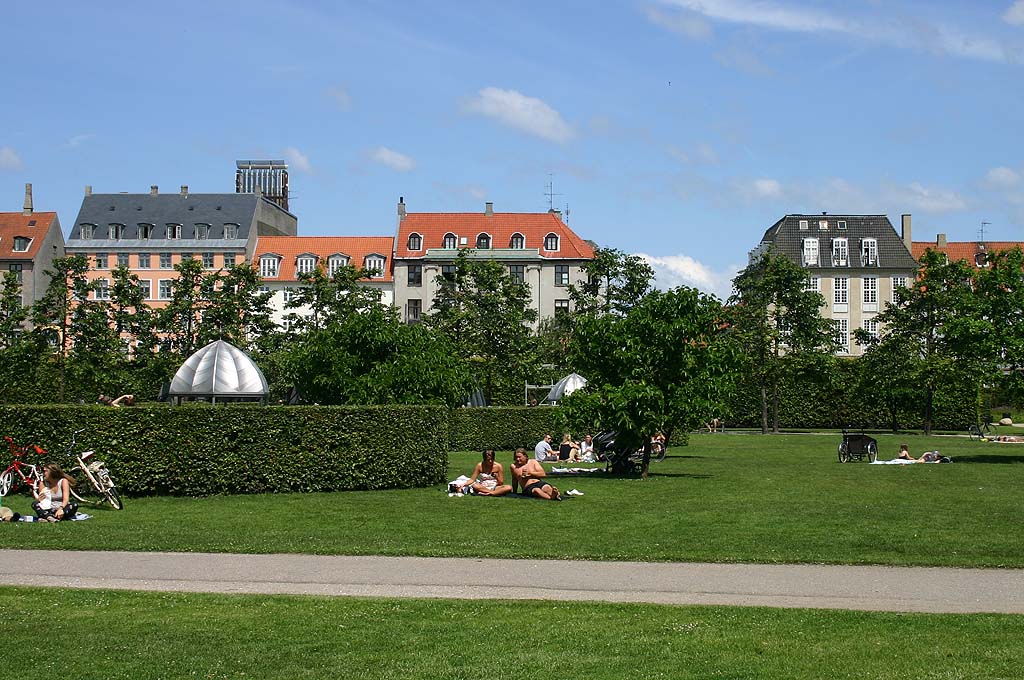
Kongens Have (the King's Garden) is Copenhagen's oldest public park. It has been open to the public since the early 1700s. The gardens are very neatly kept, and is a nice place to picnic, sunbathe or simply relax on sunny days.
|
|
|
|
Copenhagen: Cool Capital
A bustling city of 1.1 million people and the capital of Denmark, Copenhagen is the link between continental Europe and Scandinavia. It sits on the island of Zealand, just across Øresund strait from Sweden. Its charming streets surrounded by century old buildings as well as its canals provide for a cozy backdrop, and its many bars and cafés give it a lively atmosphere on almost any night of the week. Adding the fairy tale like Tivoli to all of this, and it's the kind of city which makes you want to come back again for more. |
 |
 |
Copenhagen: City Hall
The heart of Copenhagen is Rådhusplassen (the City Hall Square), with the impressive City Hall on one side and the modern bus terminal on the other side. The medieval-looking City Hall is not as old as it looks at first glance. It was only completed in 1905. The golden statue above the main entrance is of Bishop Absalon, who founded Copenhagen in 1167. For tourists, the most interesting part of City Hall is its 300 step climb to the top of the 105 meter tall clock tower, with some great views of the city once at the top. |
Copenhagen: The Little Mermaid
Copenhagen's (and perhaps Denmark's) most recognizable image is that of the Little Mermaid (Den Lille Havfrue in Danish). It is inspired by the fairy tale The Little Mermaid by the Danish writer Hans Christian Andersen. It was commissioned in 1909 by Carl Jacobsen, the son of the founder of Carlsberg. The head is modelled after the ballerina Ellen Price, and the body was modelled after the sculptor's wife Eline Eriksen. Since completition the Little mermaid been sitting on a rock on the harborfront in the northern Kastellet area (about one kilometer along from Nyhavn). |
 |
 |
Copenhagen: Tivoli Gardens
No visit to Copenhagen is complete without spending at least a day in its Tivoli. With its many amusement rides (with something for both young and old), elaborate gardens and classic performances, Tivoli is perhaps the most charming amusement park in the world, and also Denmark's most popular attraction. It opened in 1843, and is the world's second oldest amusement park (after Dyrehavsbakken, just outside Copenhagen). In the summer months there are weekly rockconcerts on Fridays. |
Copenhagen: Nyhavn
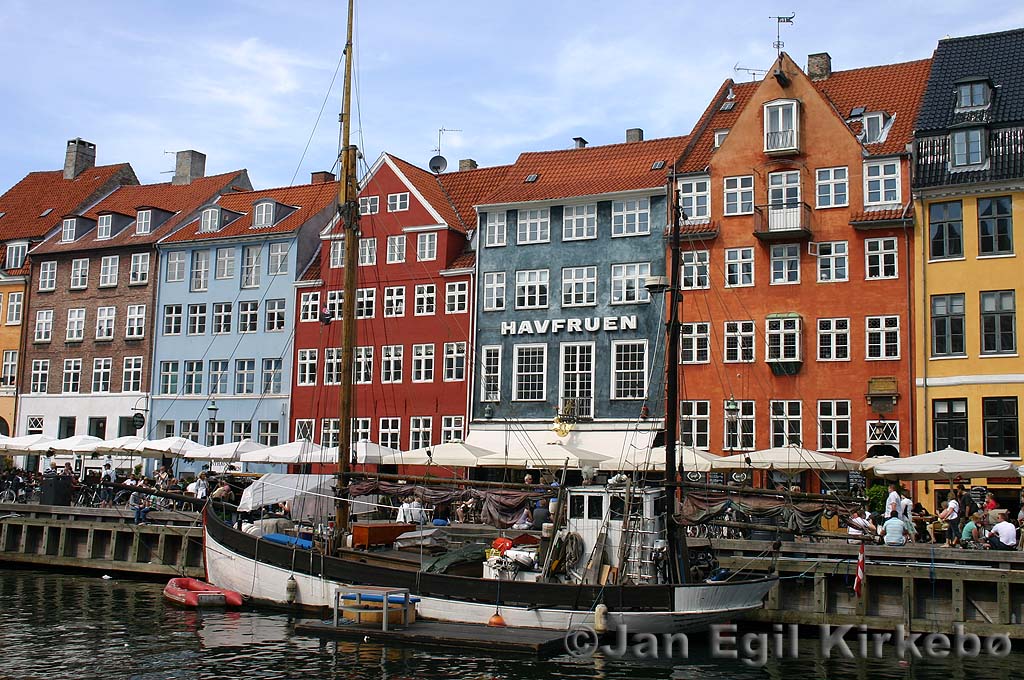
In previous times Nyhavn (meaning New Harbor) was a seedy area housing mostly sailors. The area also attracted some writers, the most famous of these being Hans Christian Andersen, who lived there for most of his life (in numbers 20, 18 and 67). Over the years the area's clientelle and status has changed radically. Today restaurants align along the waterfront, and the area is crowded by a mixture of locals and tourist, most of whom are out to enjoy some seafood with a good pint of beer. |
 |
 |
Copenhagen: Strøget
Strøget, in the center of Copenhagen, is one of the longest pedestrian shopping areas in Europe, stretching about 1.1 kilometers from Rådhusplassen (the City Hall Square) to Kongens Nytorv (the King's New Square). It puts the best of Danish design on display, but is also tarnished by the great amount of souvenir shops and fast food restaurants. The most famous and expensive stores along Strøget include Illums, Magasin du Nord and Royal Copenhagen. |
|
|
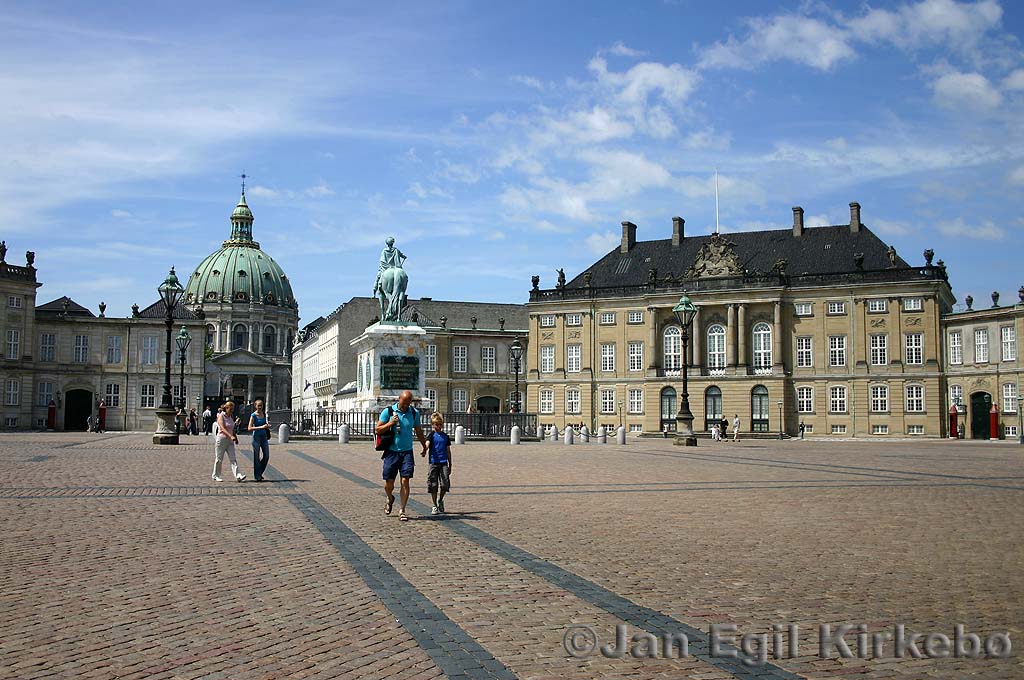
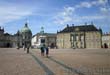
| Amalienborg | |
Copenhagen
Amalienborg is the winter home of the Danish royal family (currently headed by Queen Margrethe II). It consists of four identical palace facades around and octagonal courtyeard. There is a changing of the guard daily at noon.
|
|
| Facts | |
Kongeriget Danmark

Capital
Copenhagen
Largest city
Copenhagen
Population
5,500,000 (2009)
Area
43,094 km²
Official language(s)
Danish
Government
Parliamentary democracy
|
|
| History | |
Denmark
•965: United into one kingdom by Harald Blåtand.
•1200s: Kingdom stretches from Estonia in east to Norway in north.
•1523: Kalmar Union with Sweden dissolved.
•1814: Napoleonic war is lost, and Norway is receded to Sweden.
•1940-45: Occupied by Germany during WWII.
•1973: Joins the EEC (predecessor to EU).
|
|
|