| Town View | |
Ouro Prêto
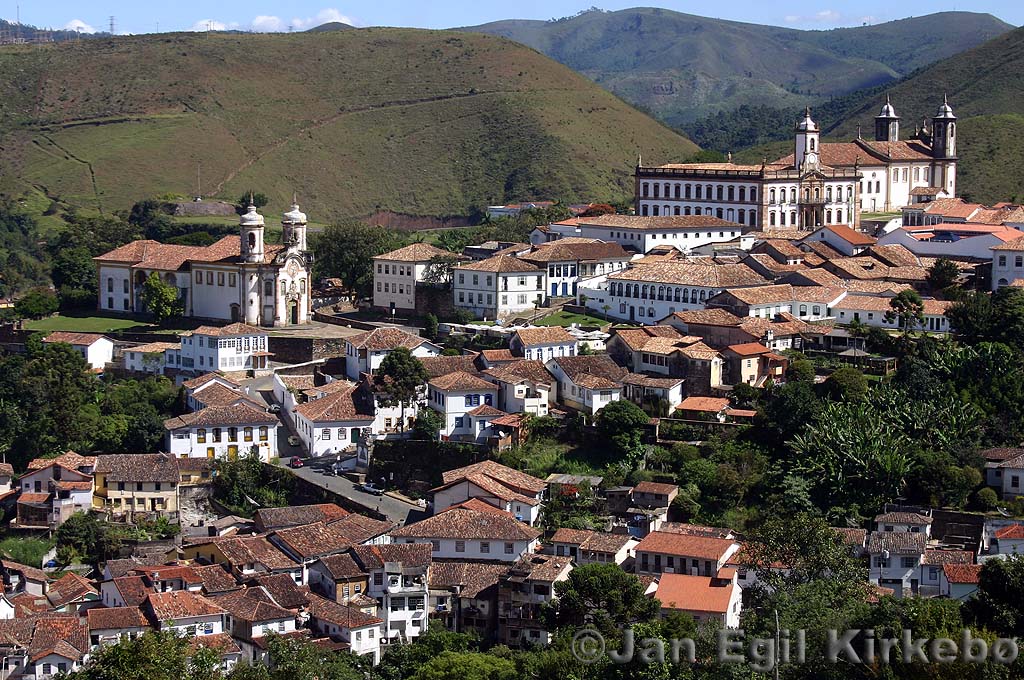
Take a morning stroll up Rua das Lajes, starting at the upper east corner of Praça Tiradentes, for a great view of Ouro Prêto. Seen from above the city hasn't changed for at least a 100 years.
|
|
| Cobblestone | |
Ouro Prêto
The cobblestone streets of Ouro Prêto are steep and windy, even too much for cars in some places. There are 23 churches scattered around the hills, and walking between them makes for excellent exercise.
|
|
| Inconfidência | |
Ouro Prêto
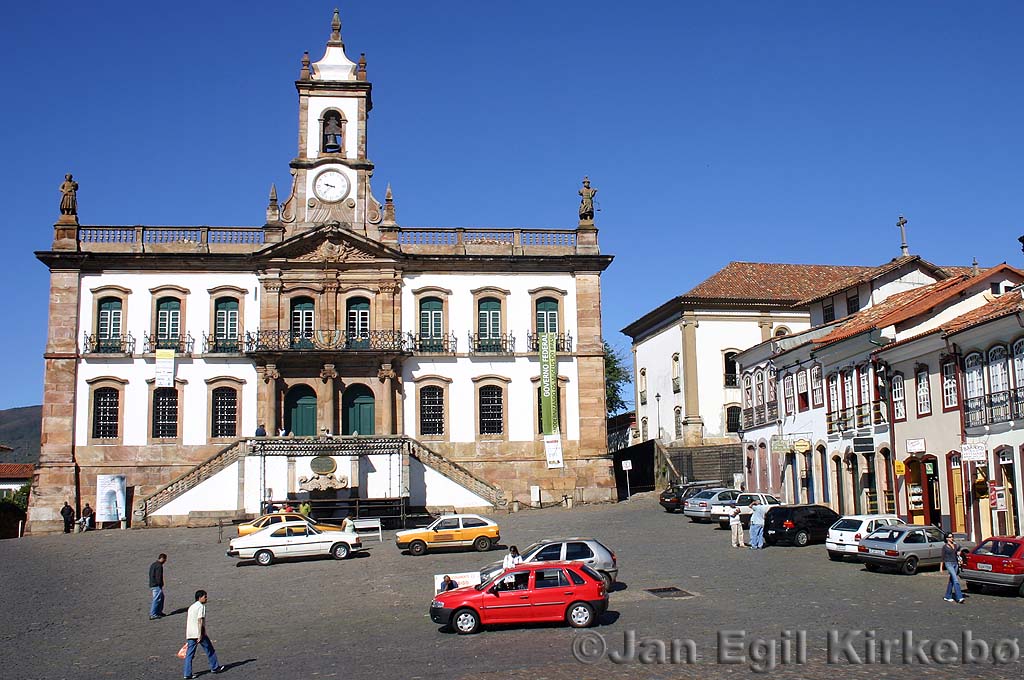
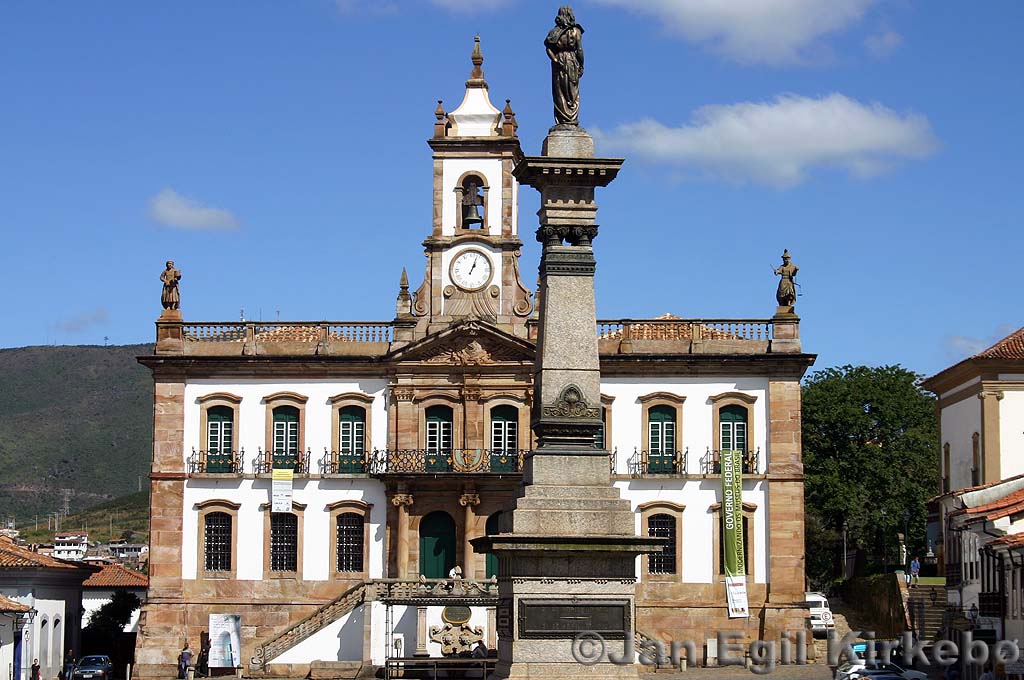
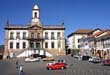
The Museu da Inconfidência on Praça Tiradentes is the old town hall turned prison. Now it houses a museum which contains, amongst others, the tomb of Tiradentes.
|
|
| Travel | |
Brazilmax.com
"The Hip Guide"
Ouro Preto Tourismo
Official site
Terra - Mapas
Maps (in Portuguese)
Visit Brazil
Official site
|
|
|
|
| S. America | Brazil | Ouro Prêto |
Ouro Prêto: Gold City
Ouro Prêto (meaning Black Gold), dates back to 1701, and was once the richest city in Brazil. At its height it was called Vila Rica, and was capital of Minas Gerais. Now it is a quiet university town. But much of the past wealth is still evident in the city. Most of the buildings from the glory days of the goldrush have been preserved. Spend at least a few days in this wonderful city, easily reached from Belo Horizonte (100 kilometers) and Rio de Janeiro (475 kilometers). |
 |
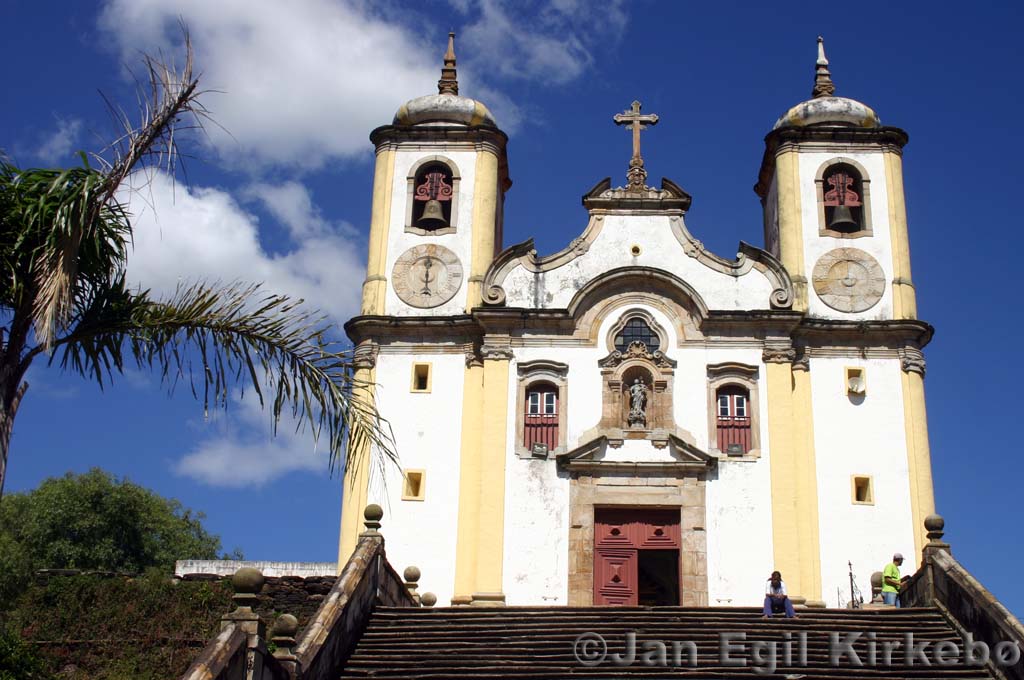
Rococo Church: Igreja de São Francisco de Assis
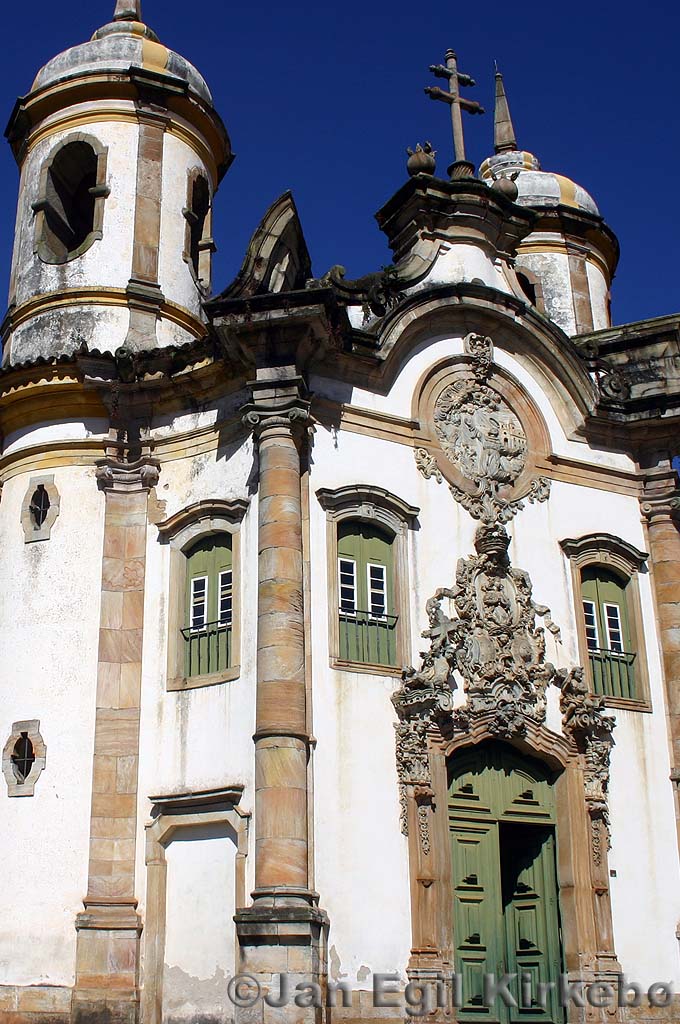
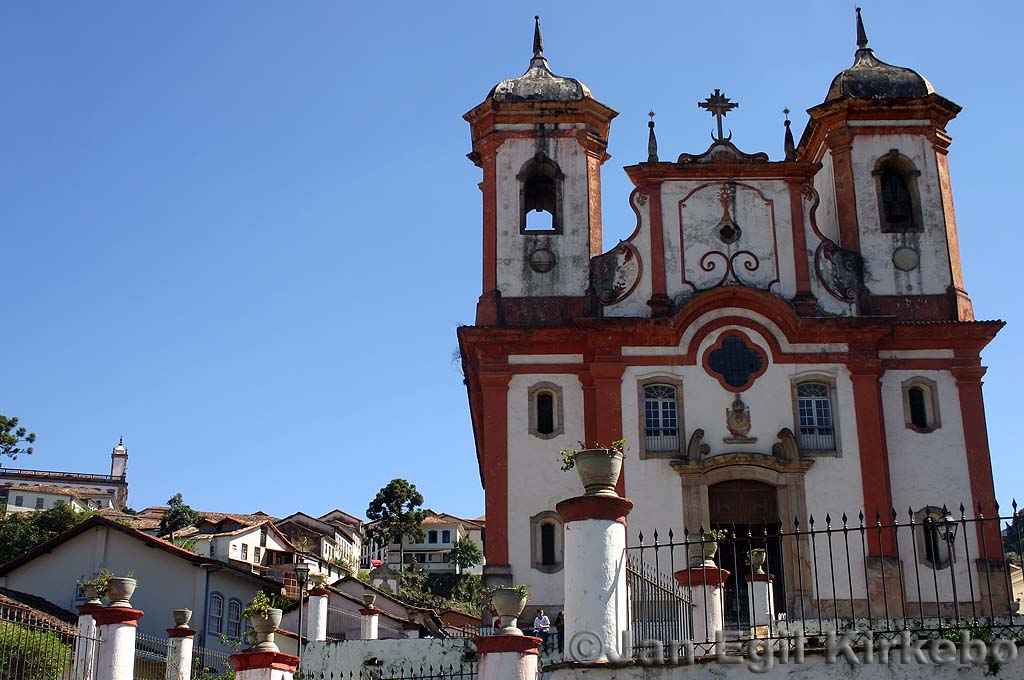
The Igreja de São Francisco de Assis, built in 1766, is as much a work of art as it is a church. The rococo church is one of the great works of the self-taught Aleijadinho (meaning little cripple). His real name was Antônio Francisco Lisboa, but he got his nickname due to a disease (perhaps syphilllis or leprosy) which crippled his limbs. Eventually he also lost his fingers and toes. Despite this the talented Aleijadinho created some of the best baroque art in Brazil. The outside artwork on the Igreja de São Francisco de Assis has all been carved by Aleijadinho himself. |
Tiradentes: The Tooth Puller
The Praça Tiradentes (center of Ouro Prêto) is named after the Brazilian freedom rebel Joaquim José da Silva Xavier. He is also depicted on the statue in the middle of the square. He got his nickname Tiradentes (meaning tooth puller) from his mastering of dentistry. He was one of the brains behind the Inconfidência Mineira, a revolt against the Portuguese in 1789. Tiradentes was the only one to confess, and was subsequently executed in Rio de Janeiro. The date of his execution, April 21, is Brazil's national day (called the Dia do Tiradentes). |
 |
 |
Igreja de Santa Efigênia dos Pretos
The Igreja de Santa Efigênia dos Pretos is easily visible on the next hill east of Praça Tiradentes. It was built with gold from the mine of Chico-Rei. Chico-Rei was an African tribal king who, along with his tribe, was sold as a slave to work in a mine. Through hard work he managed to buy the freedom of himself and eventualy his whole tribe, and he then continued to buy the profitable Encardadeira gold mine. The Igreja de Santa Efigênia dos Pretos has less gold than some of the other churches in Ouro Prêto, but the artwork is second to none. |
 |
 |
Steam Power
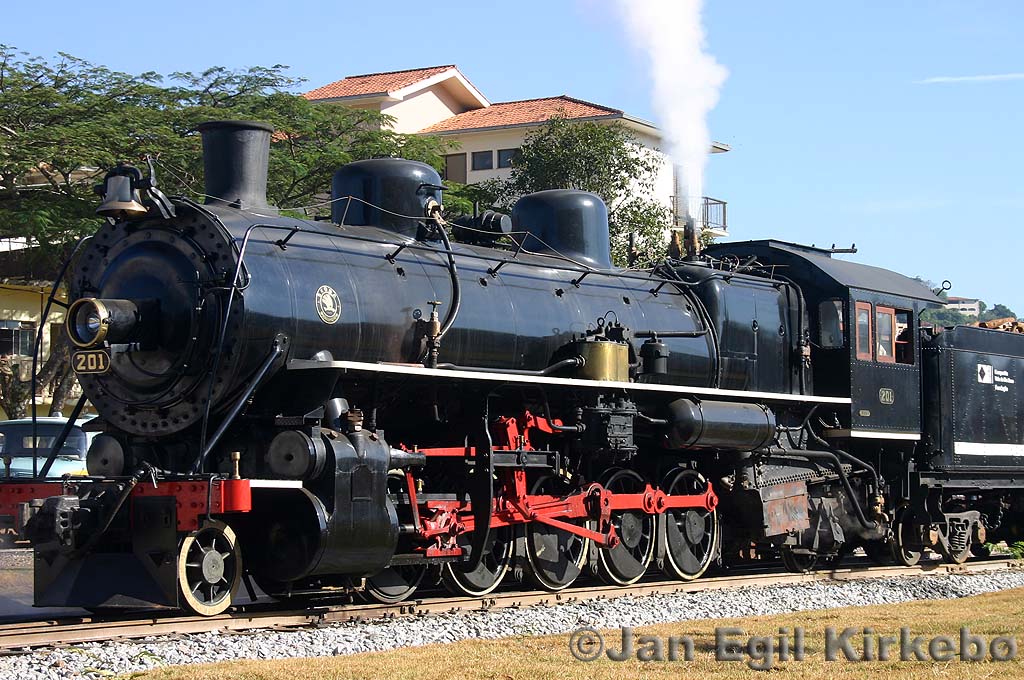
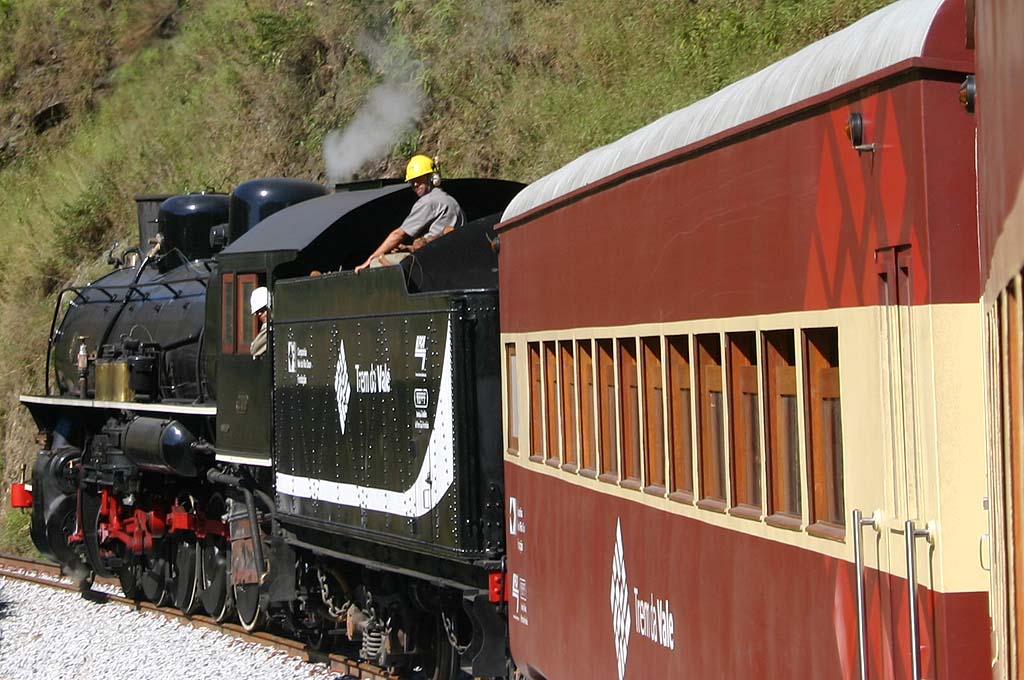
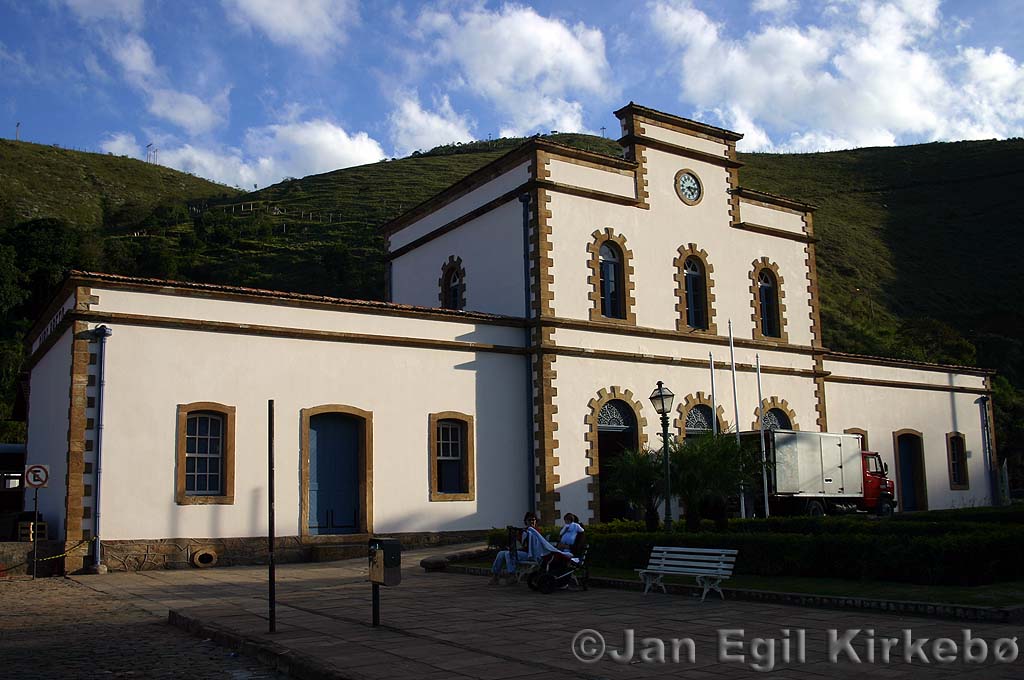
Steam trains are once again running the 18,7 kilometers between Ouro Prêto and Mariana with the Trem da Vale. The train itself is from the 1940's, and has been beautifuly restored. There are two daily departures in each direction (R$18 one-way, R$30 round-trip). |
 |
 |
Capital Towns
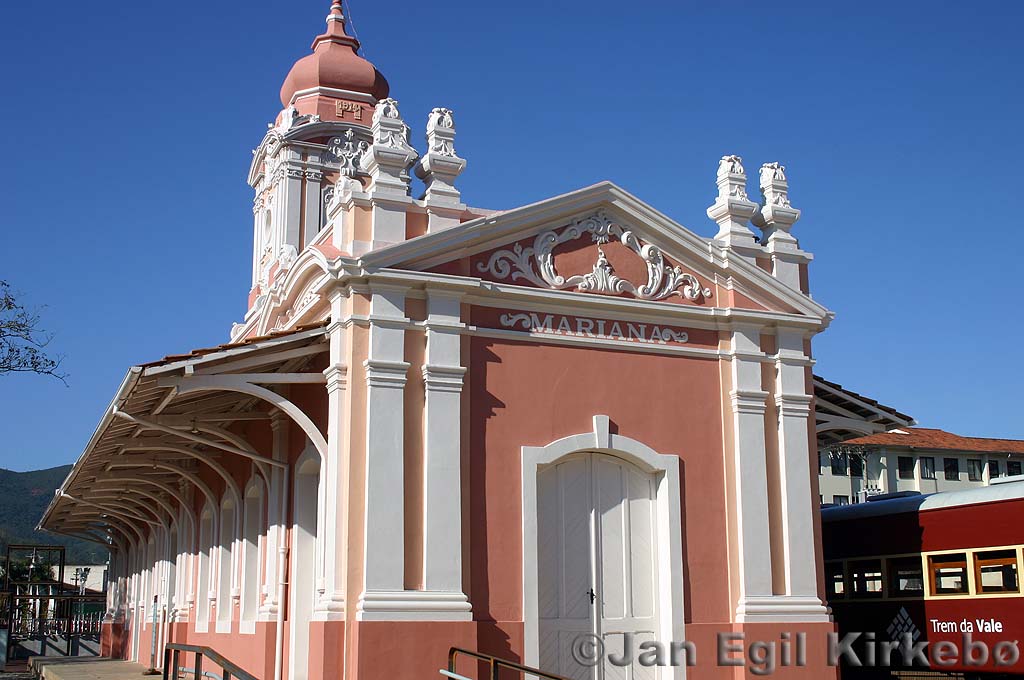
Both Mariana and Ouro Prêto were once capitals of the state of Minas Gerais. For one day each year this status is reverted back to the towns (July 16 and June 24), and the governor of Minas Gerais stops by. The stations of the two towns are now linked by a tourist train. |
|
|
| Heritage | |
Ouro Prêto
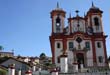
The Matriz Nossa Senhora da Conceição de Antônio Dias was designed by Aleijadinho's father, and is also where Aleijadinho is burried (by the altar of Boa Morte - meaning Good Death).
|
|
| Facts | |
Location
Near Belo Horizonte in the state of Minas Gerais in Brazil
Origin of Name
Portuguese for Black Gold
Population
66,000
Temperature
Between 6 and 28 degrees
Municipality area
1245 km²
Average elevation
1116 meters
Economy
Tourism and mining
|
|
| History | |
Ouro Prêto
•1698: City founded, coinciding with start of gold and diamond rush.
•1788-92: Failed rebellion (the so-called Inconfidência Mineria) against the Portuguese Crown, led by dentist Joaquim José da Silva Xavier (aka. Tiradentes).
•1897: Looses status as capital of the state of Minas Gerais to Belo Horizonte.
|
|
|