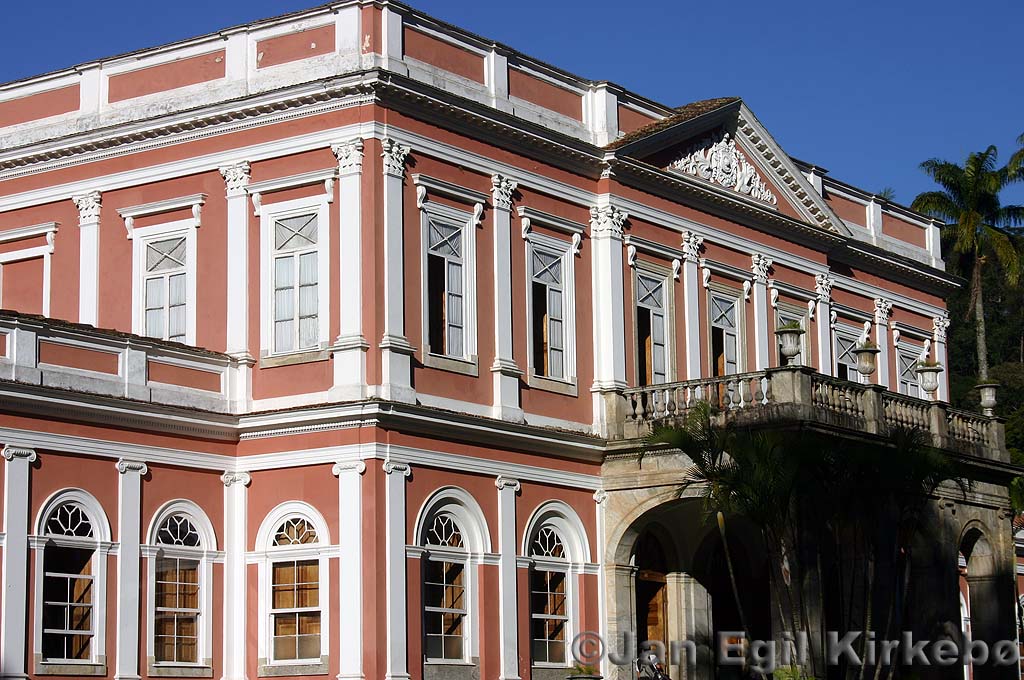
| Boa Vista | |
Rio de Janeiro
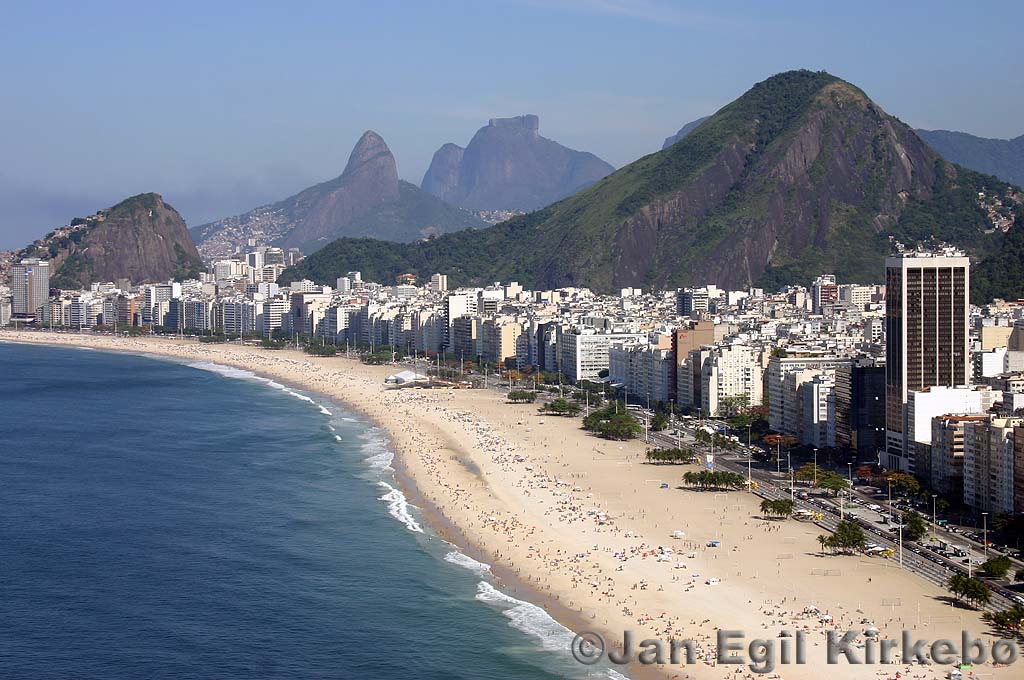
To get the best views of Rio ascend one of its many rocks. A lesser known ascent, than say Corcovado or the Sugar Loaf, is to the Morro do Leme. Entrance is through the fort at the end of Leme Beach, open on weekends and holidays.
|
|
| Steam Power | |
Ouro Prêto
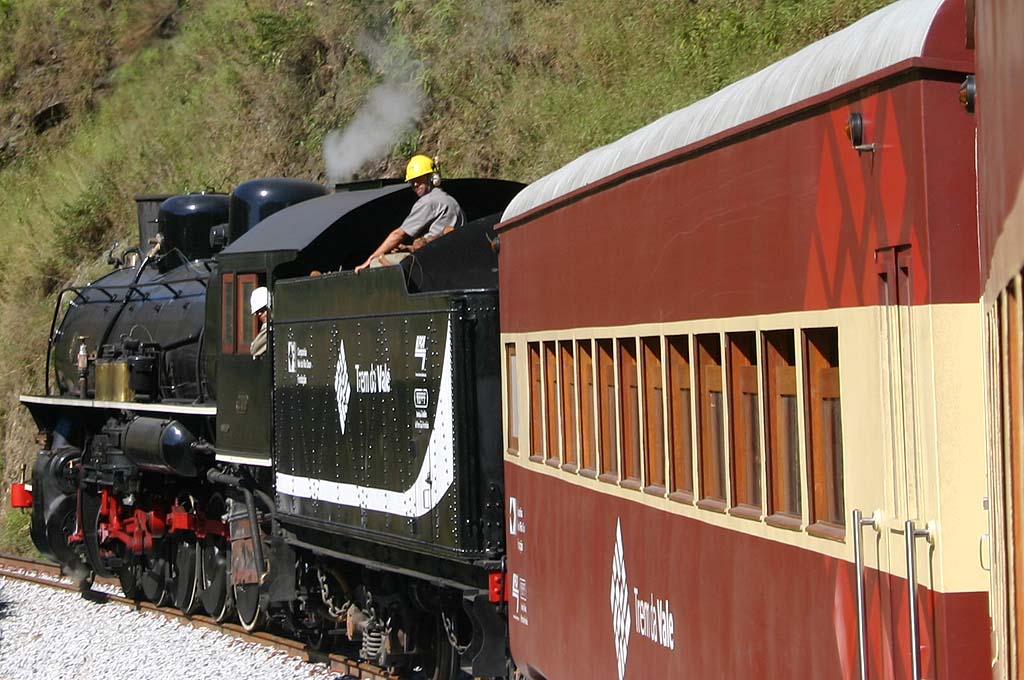
Steam trains are once again running the 18,7 kilometers between Ouro Prêto and Mariana with the Trem da Vale, inaugurated in May 2006.
|
|
| Sugar Loaf | |
Rio de Janeiro
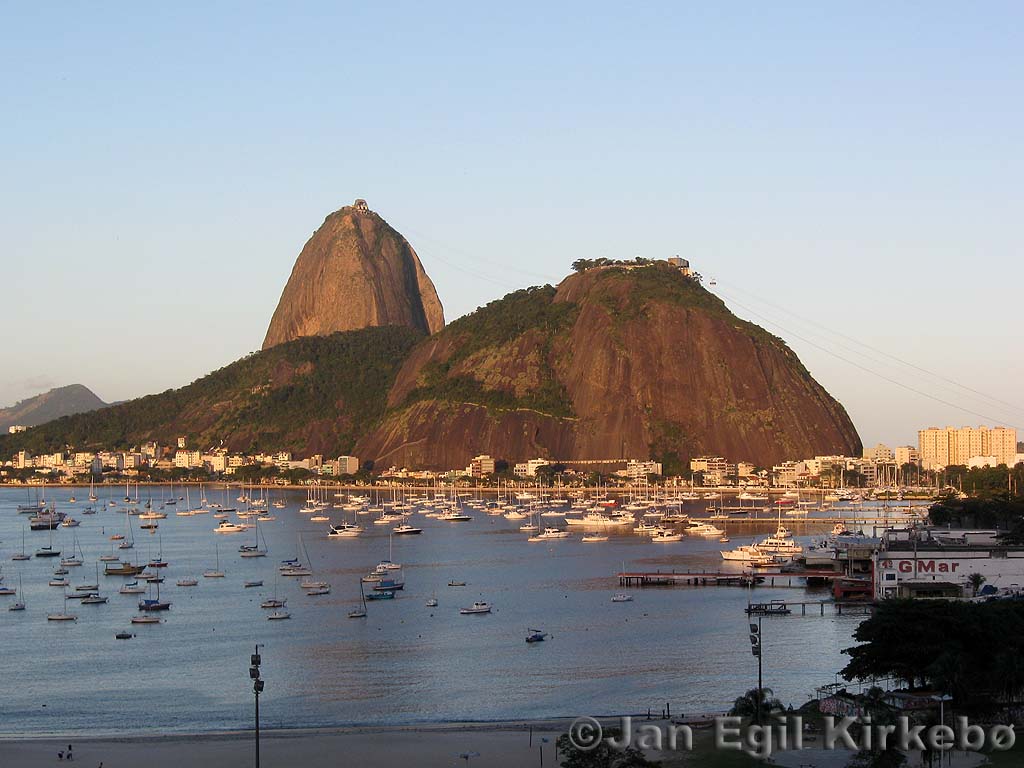
Rising straight up from the waters of Guanabara Bay, Pão de Açúcar (Sugar Loaf) is one of Rio's most recognizable landmarks.
|
|
|
|
Brazil: Sambalicious
It's the fifth largest country in the world, and home to perhaps the world's happiest people. Many know Brazil best for its samba, carnival and soccer, but this is only the beginning of it. Among its highlights include metropolis Rio de Janeiro, the amazing Foz de Iguaçu falls, its white-sand beaches scattered along the more than 7000 km long coastline, the wildlife and wilderness of the Amazon and Pantanal, not to forget the historical colonial cities like the old gold capital of Ouro Prêto. |
Rio de Janeiro: Cidade Maravilhosa
Few cities in the world have been blessed by as much natural beauty as Rio de Janeiro. Its name conjures images of white-sand beaches (37 in total), the Cristo Redentor, carnival, a football-game at Maracanã, samba or favela. Rio de Janeiro is a diverse city, from the 19th century hillside neighborhood of Santa Teresa to the Americanized suburb of Barra da Tijuca. Though, most visitors tend to stick to the beach neighborhoods of Copacabana and Ipanema, with the near-mandatory excursions to Corcovado and Pão de Açúcar (Sugar Loaf). |
 |
 |
Ouro Prêto: Gold City
Ouro Prêto (Black Gold), dates back to 1701, and was once the richest city in Brazil. At its height it was called Vila Rica, and was capital of the state of Minas Gerais. Now it is a quiet university town. But much of the past wealth is still evident in the city. Most of the buildings from the glory days of the goldrush have been preserved. Spend at least a few days in this wonderful city, easily reached from Belo Horizonte (100 kilometers) and Rio de Janeiro (500 kilometers). |
Foz do Iguaçu: Poor Niagara
Poor Niagara was Eleanor Roosevelt's reaction upon seeing the mighty Iguazu Falls. Hundreds of waterfalls culminating in the 97 meter drop tall Devil's Throat (Garganta del Diablo), with the backdrop of tropical forrest, makes this one of the greatest sights in the world. Divided by Brazil and Argentina, the falls are easily reached by domestic flights and busses in both countries. Nearby is also the Paraguyan city of Ciuadad del Este, where Brazilians swarm to buy cheap goods and smuggle them back into Brazil. |
 |
 |
Petrópolis: Imperial Town
One of the nicest day excursions from Rio de Janeiro is to the mountain town of Petrópolis. The Museu Imperial in the center of town was once the summer retreat of Emperor Dom Pedro II. Besides the prodigal interior of the palace, on display is also the 1.7 kg imperial crown (with 639 diamonds and 77 pearls). Another impressive structure in Petrópolis is the Palácio Cristal, a huge glass house originally built in France. Petrópolis is just a little over one hour from Rio's Rodoviária (Bus Terminal). |
São Paulo: Gigapolis
Look up metropolis in the dictionary and you'll probably find a picture of São Paulo. It's one of the world's largest cities, and the population of greater São Paulo is expected to reach 25 million by 2025. São Paulo is the financial capital of South America, and the paulistas (natives of São Paulo) are best known in the rest of the country for being serious workers. São Paulo has arguably the best restaurants (thanks to its ethnic diversity) and nightlife in Brazil. |
 |
|
|
| Land of Sun | |
Fortaleza
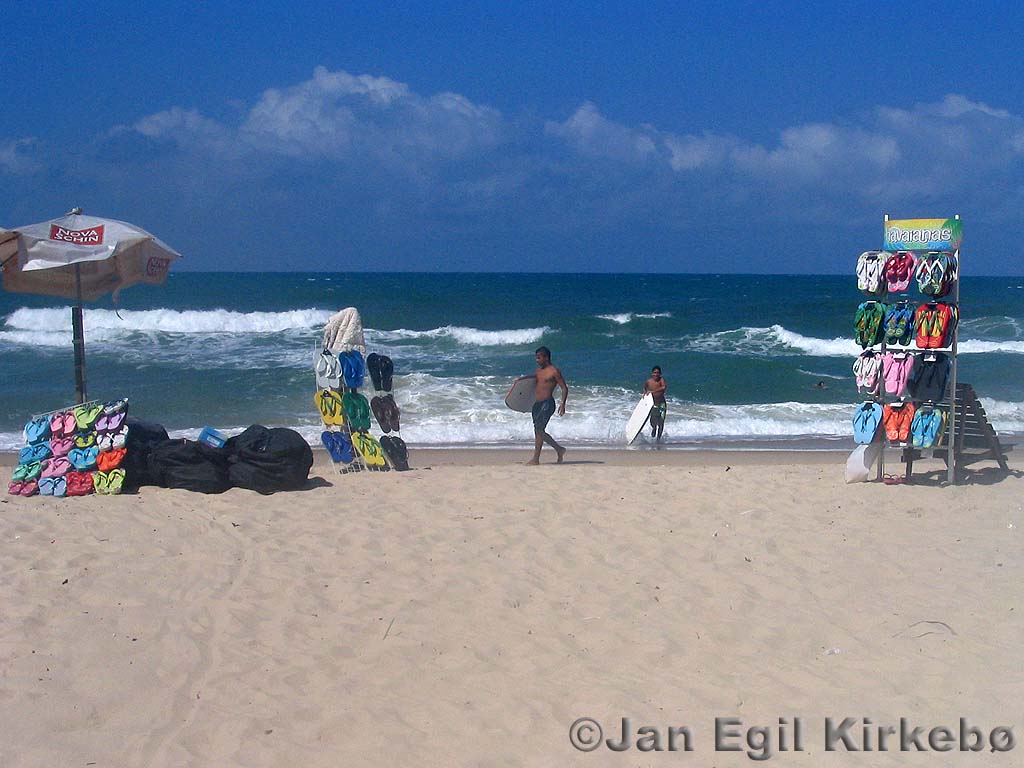
How to beat 3000 hours of sunlight per year, turquoise water, and a slow breeze from the ocean?
|
|
| Facts | |
República Federativa do Brasil

Capital
Brasília
Largest city
São Paulo
Population
188,078,000 (2006)
Area
8,511,965 km²
Official language(s)
Portuguese
Government
Federal republic
|
|
| History | |
Brazil
•1500: Portuguese explorer Pedro Álvares Cabral arrives - Over next three centuries resettled by the Portuguese.
•1808: Queen Maria I of Portugal and her son, João VI of Portugal, relocate to Brazil.
•1822: Prince regent Dom Pedro I (later Pedro IV of Portugal) declares independence.
•1888: Slavery abolished.
•1889: Republic of the United States of Brazil established.
•1930-4, 1937-45, 1964-85: Dictatorships replace democracy.
|
|
|









 -->
-->