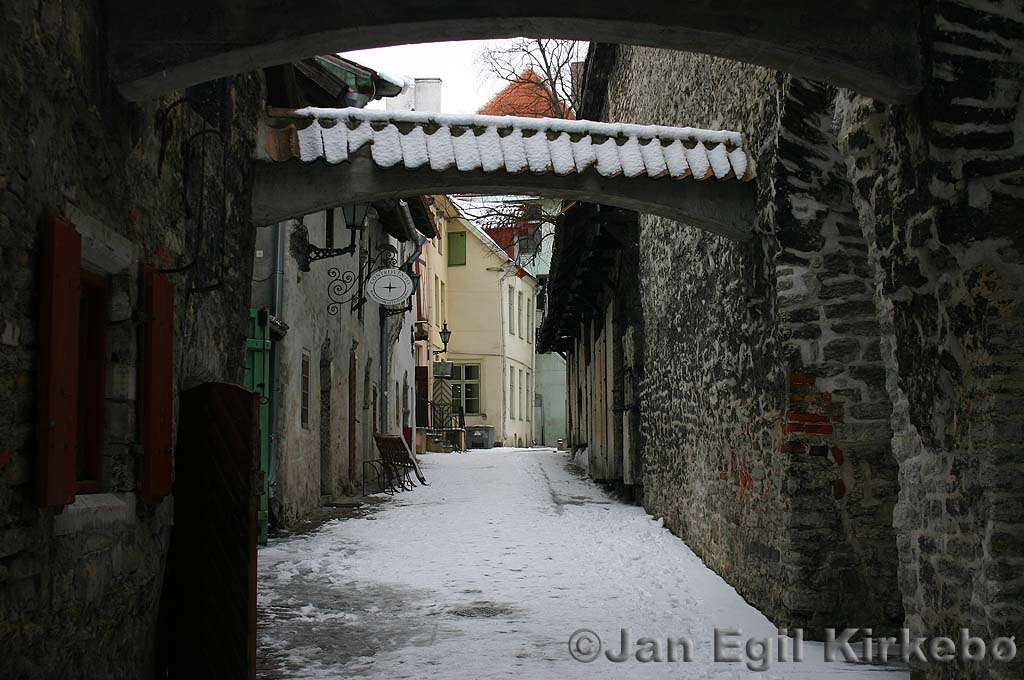
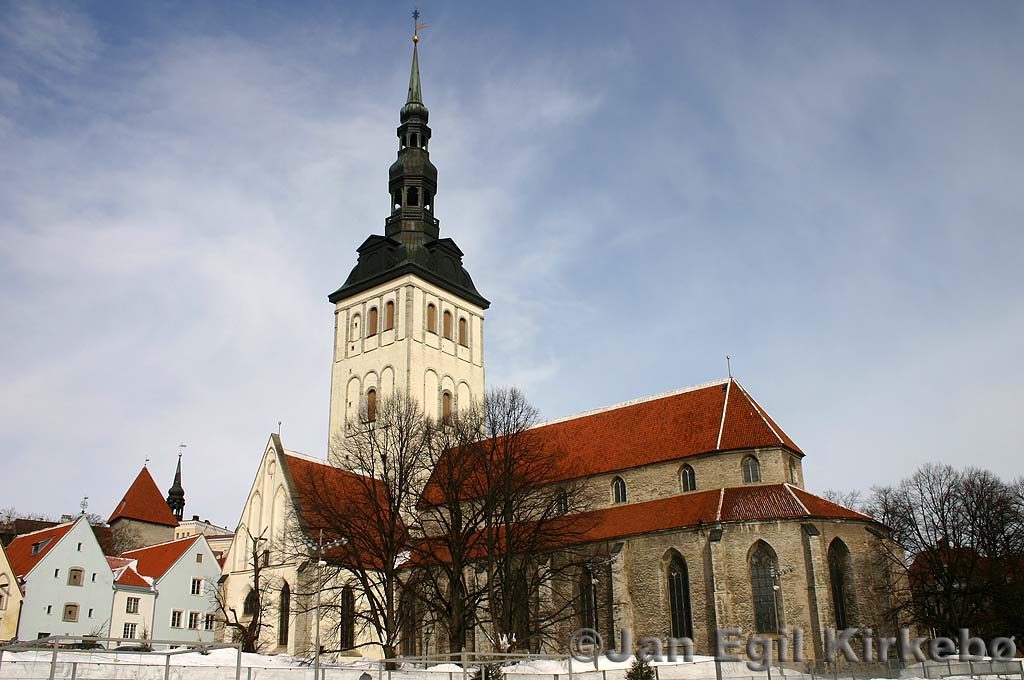
| Old Town | |
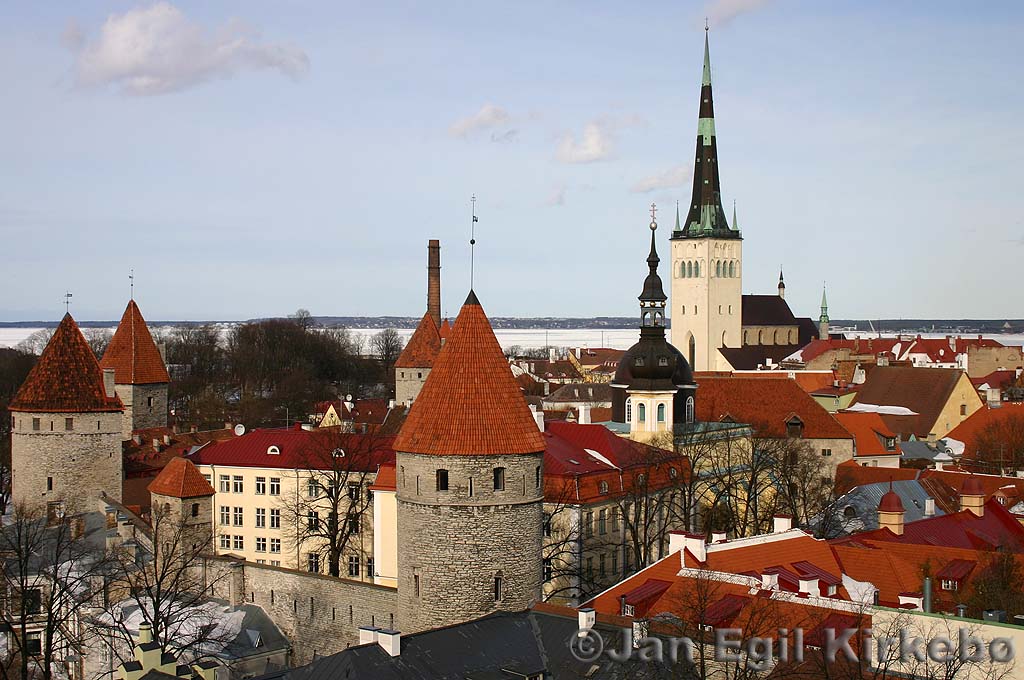
Tallinn
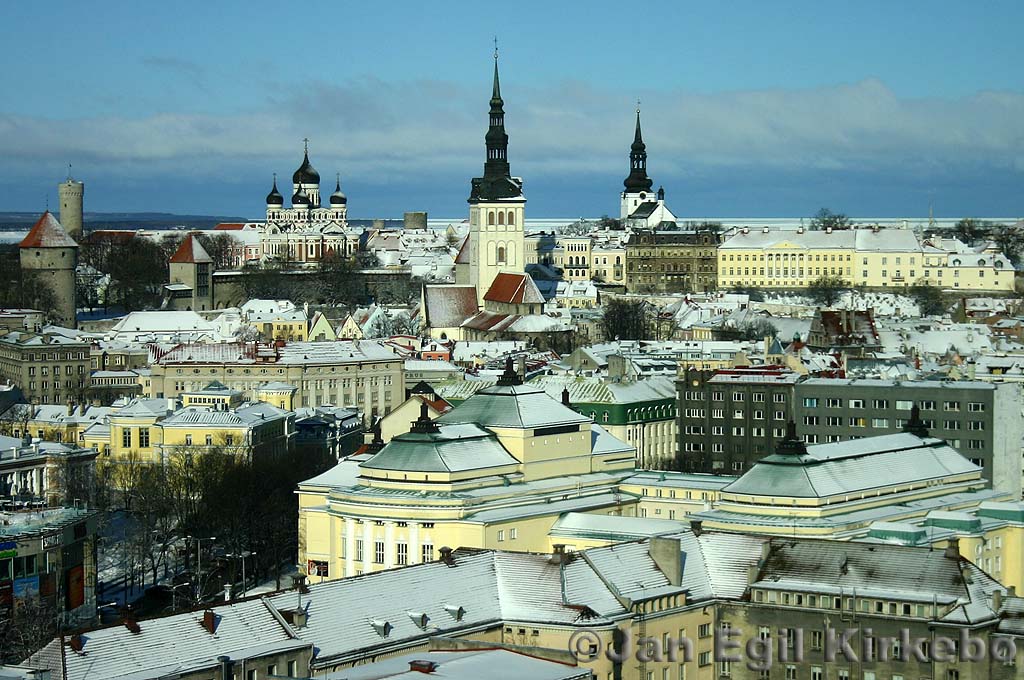
For a birds eye view of the city, head up to Toompea Hill and one of several viewing platforms.
|
|
| Opera | |
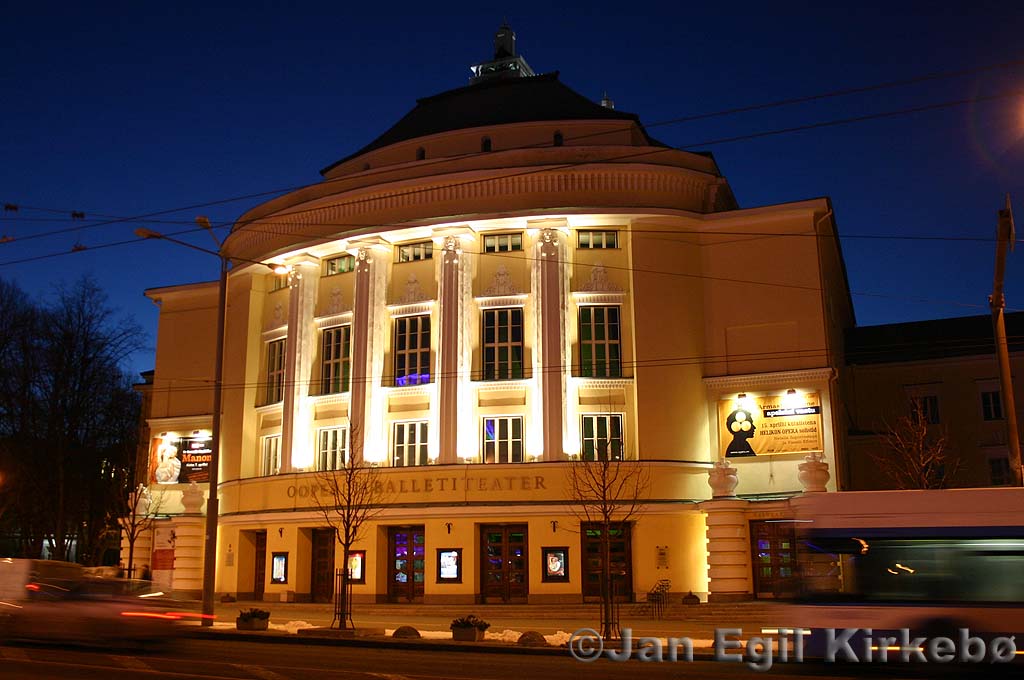
Tallinn
Built in 1913 by Finnish architects, the Opera House is a pride to the local population. Compared to countries further West, Tallinn is a good place to enjoy quality opera performances for an affordable price.
|
|
| Victory Column | |
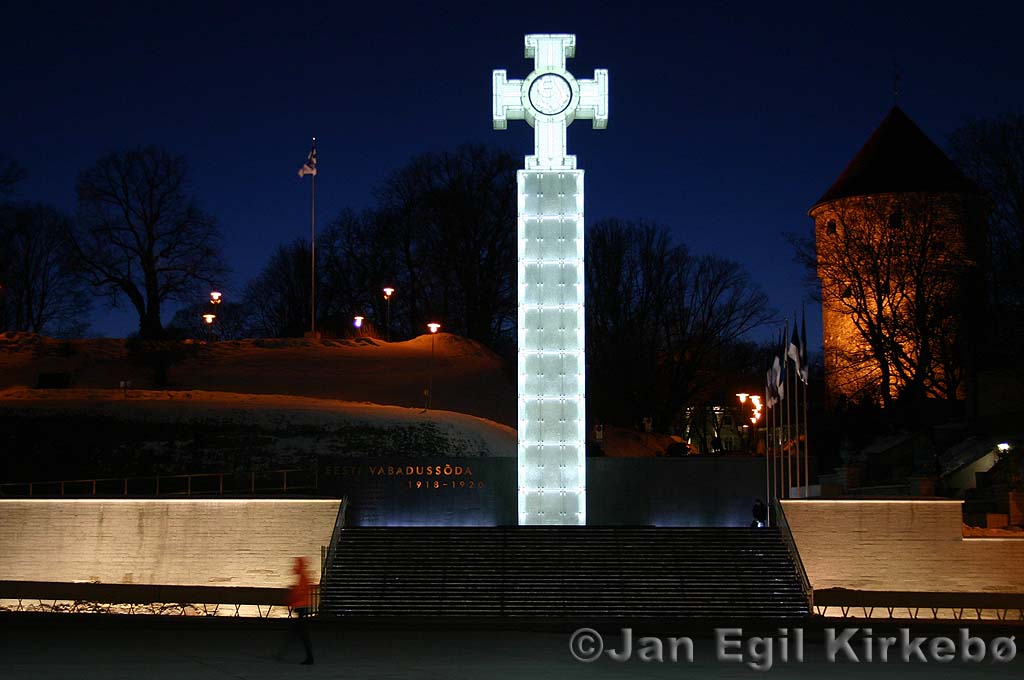
Tallinn
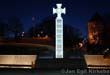
The newest Tallinn monument is the War of Independence Victory Column. It's a memorial to the soldiers and civilians killed in action during the Estonian War of Independence between 1918 to 1920.
|
|
|
|
Tallinn: Modern Medieval City
Since Estonia's independence from the Soviet Union in 1991, Tallinn has grown into a vibrant mix of the medieval and the modern. Its Old Town is one of Europe's nicest, with numerous gems literally hiding just around the corner. Tallinn also sports a healthy restaurant, café and nightclub scen. For shoppers, the ancient traditions of glassblowing, weaving and pottery are still very much alive in the city. Tallinn has something to offer for every taste. |
 |
 |
Tallinn: Town Hall Square
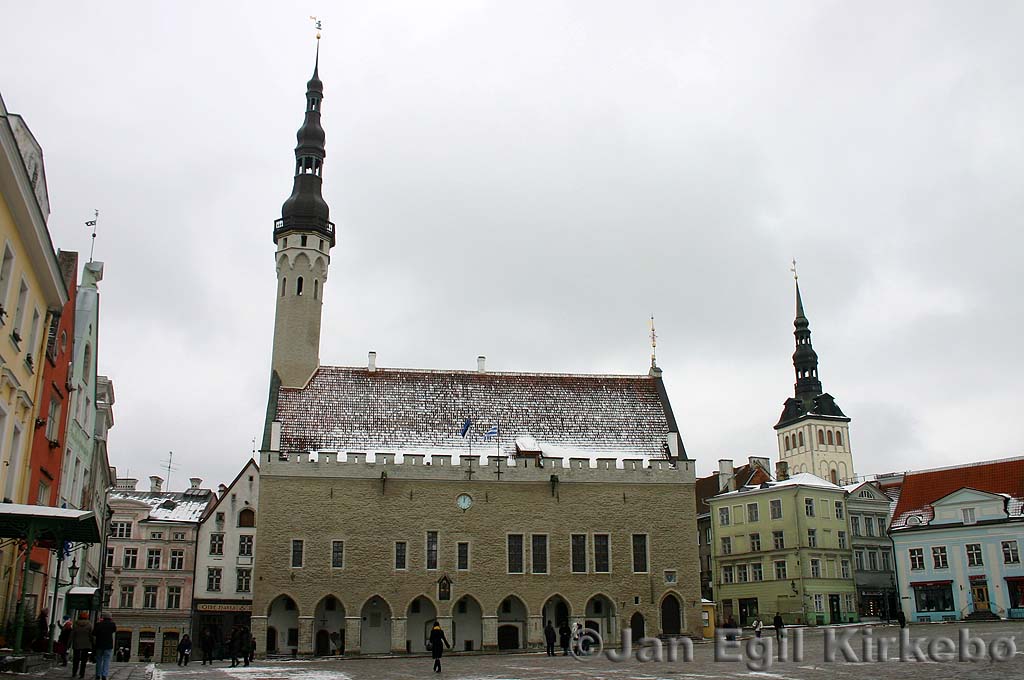
Raekoja plats (Town Hall Square) has been the center of Tallinn since the markets started there in the 11th century. The markets are long gone, and the square is now home to cosy cafés and restaurants, ideal for Tallinn's long summer evenings. On the outh side of the square is the city' town hall, built in it's gothic style between 1371 and 1404. It is said that the minaretlike tower was inspired by an explorer who had returned from a trip to the Orient. |
Tallinn: Alexander Nevsky Cathedral
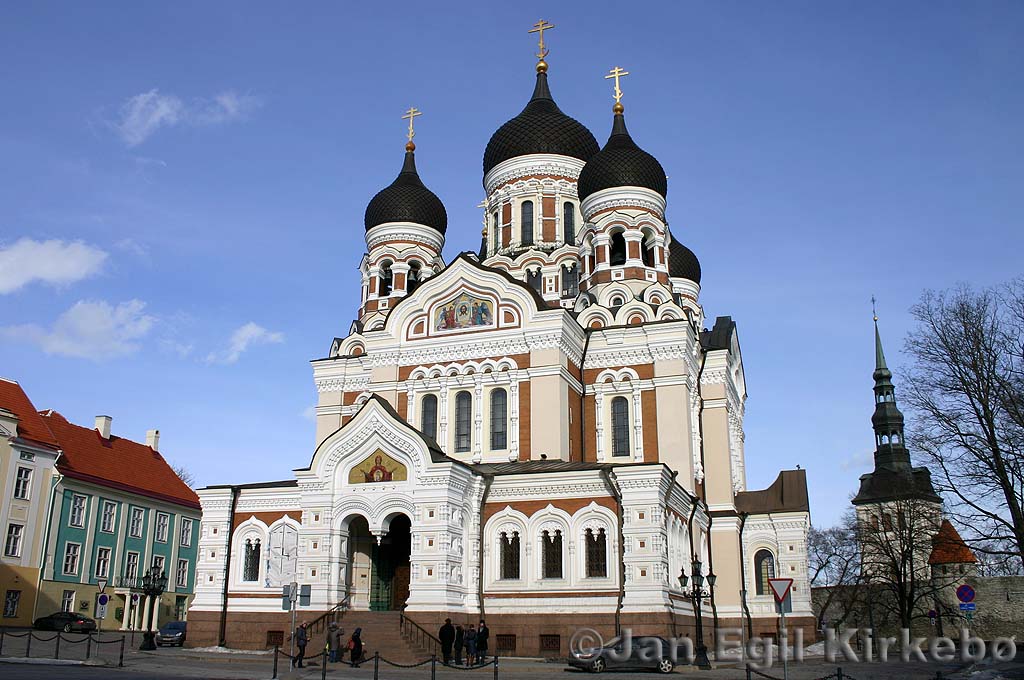
Not always equally popular among the Estonian speaking part of the local population, the Alexander Nevsky Cathedral is a Russian Orthodox church built between 1894 and 1900 (at the time Estonia was part of the Russian Czarist empire). The cathedral is located opposite the parliament buildings, and attract a fair number of Orthodox believers. It also houses the largest bell in Tallinn, weighing in at 15 tonnes, in addition to 10 other bells. |
 |
 |
Tallinn: Peep into the Kitchen
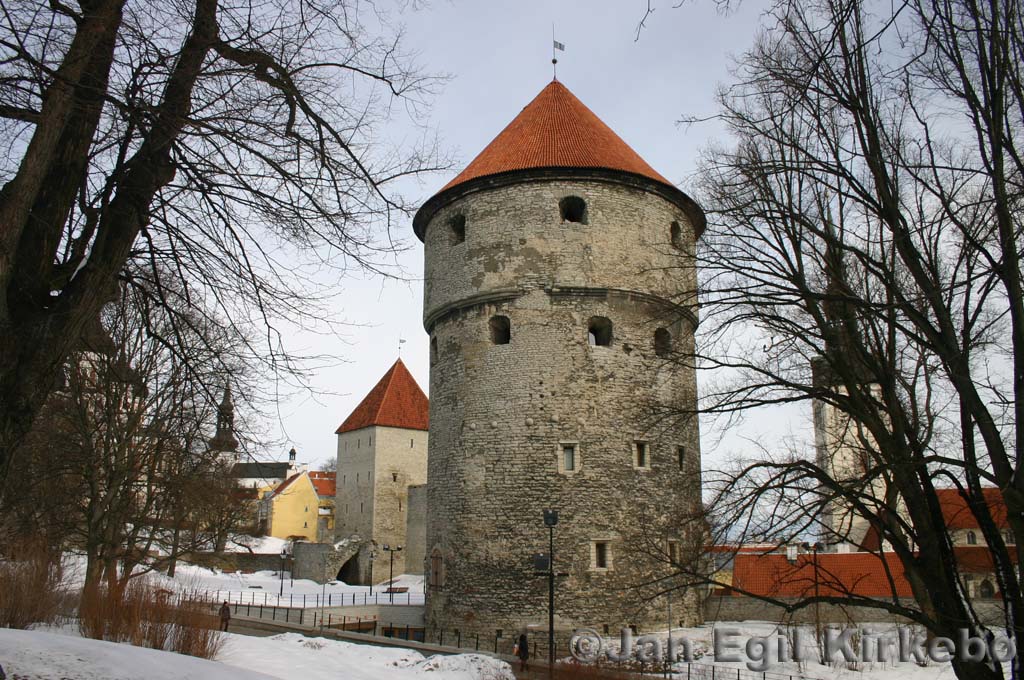
Kiek in de Kök is an impressive cannon tower located at the Southern end of the Old Town, built around 1475. It's name comes from Low German, and means Peep into the Kitchen. The reason for its name was that from their elevated vantage point its soldiers could look straight into the houses below. Over the years the tower has seen its share of wars, and its walls still house nice cannon balls shot by the forces of Ivan the Terrible. |
Tallinn: Power Center
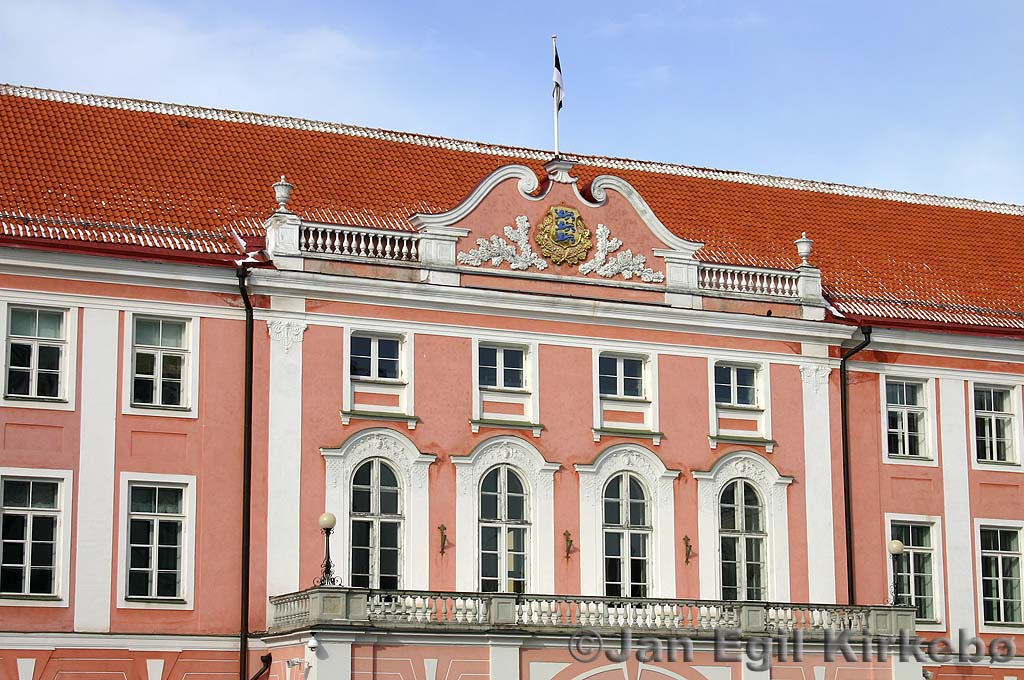
The Riigikogu is the unicameral Estonian parliament, and its main tasks consists of approving legislation and appointing high officials (including the Prime Minister and Chief Justice of the Supreme Court). It's housed in Toompea Castle, which was built during the 13th to 14th centuries. Towering over the castle is the 48 meter high tower named Tall Hermann. However, from the Old Town, at the western end of Lossi plats, the parliament is visible as a more modern pink limestone building built in the former courtyard of the castle. |
 |
 |
Tallinn: St. Catherine's Passage
Lined by residential buildings mostly dating back to the 15th to 17th centuries, Katariina käik (St. Catherine's Passage) is a great place to experience some medieval atmosphere. It was restored and reopened in 1994, and several of the houses now contain workshops where craftsmen can be seen busy at work. It runs between the Vene and Müürivahe Streets, with the remainding parts of St. Catherine's Church at its northern end. |
|
|
| St. John's Church | |
Tallinn
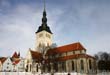
Despite two attempts to tear it down, the Jaani Church is still standing. This Neo-Gothic church, near Vabaduse (Freedom) Square, is a true survivor.
|
|
| Facts | |
Eesti Vabariik

Capital
Tallinn
Largest city
Tallinn
Population
1,340,000 (2010)
Area
45,228 km²
Official language(s)
Estonian
Government
Parliamentary Republic
|
|
| History | |
Estonia
•3500 BC: Arrival of Finno-Ugric tribes.
•13th century: Occupied by Danes and Germans.
•1526: Occupied by Sweden.
•1721: Rule succeeded to Russia.
•1918: Independence proclaimed.
•1940 Occupied by Soviet Union.
•1991: Independence.
•2004: Joins EU.
•2011: Adopts the euro.
|
|
|